Blur Is the Shortcut. Depth Is the Skill.
What is the case against shooting wide open?
Depth is not a setting on your camera. It is built in the scene, with light and layers, long before your finger finds the aperture dial. Blur is the shortcut everyone learns first, and it stays a shortcut no matter how expensive the lens gets.
Photographer Max Kent makes the case in a new Fstoppers video. He calls a wide aperture the lazy version of depth: an imitation of the dimensional feel of good light. His alternative is directional light, from about 45 degrees above and to the side, so bands of light and shadow alternate through the frame.
Does this apply outside portraits?
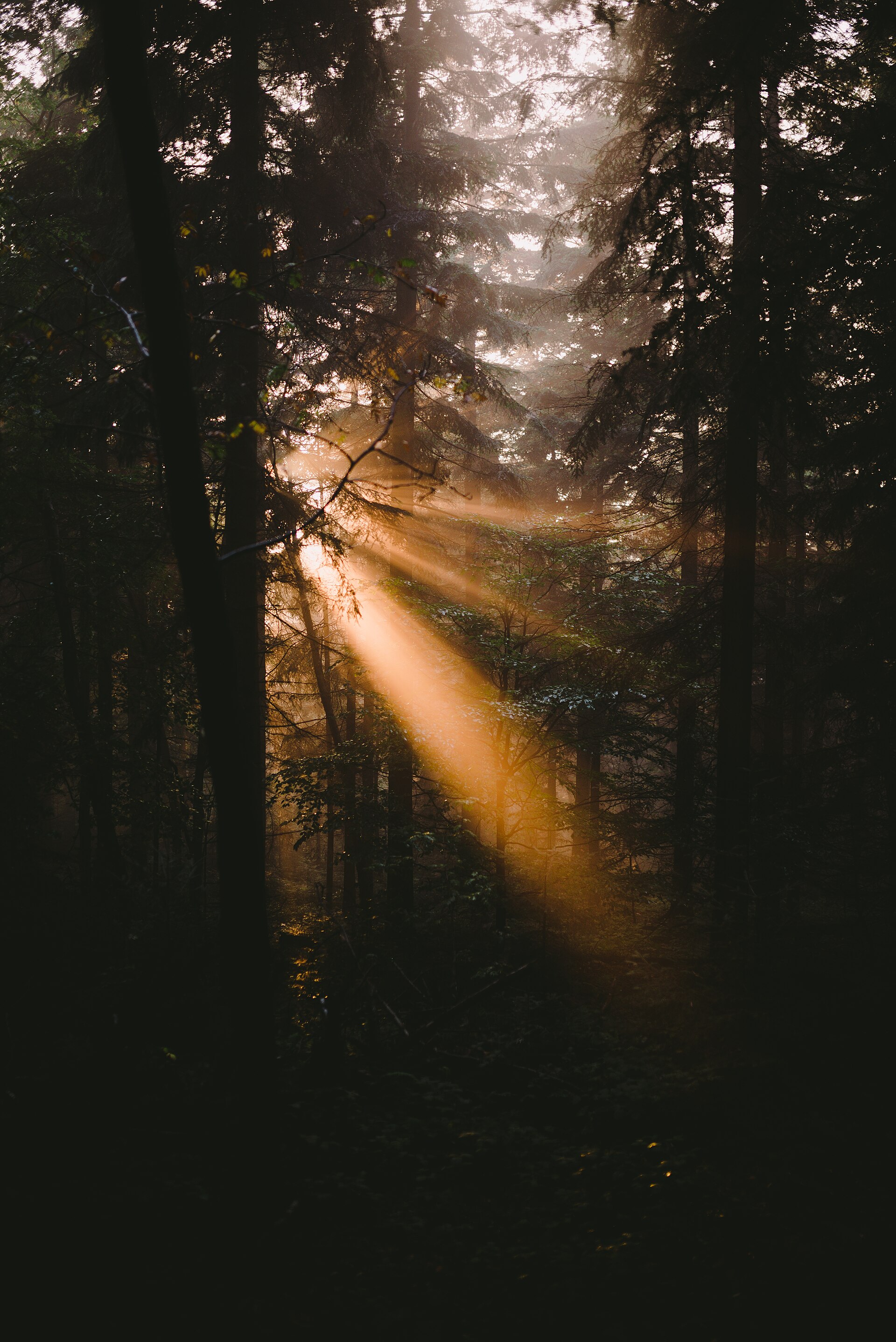
The principle holds far beyond portraits. A stand of trees under flat light reads as one surface; under angled sun, shadows pull each trunk away from the next. Kent pairs this with clear foreground, midground, and background. A viewer sees only overlapping shapes, and that overlap flattens an image as thoroughly as flat light does.
The argument lands harder now than a decade ago. Apple put Portrait mode on the iPhone 7 Plus in 2016, and nearly every phone since can fake shallow depth of field in software. A blurred background no longer tells anyone a picture was made with care.
How do you test your own frames?
Kent offers a simple check. Convert a frame to black and white and shrink it to a thumbnail. If the subject still separates from its surroundings, the depth comes from tone and placement. If everything merges into one gray mass, the blur was carrying the image alone.
At the other end of the dial, f/16 and f/22 bring diffraction, which softens fine detail across the whole frame. Most lenses are sharpest between f/5.6 and f/11.
Why it matters for you
Kent is not arguing against wide apertures entirely. He still reaches for f/1.8 when it is dark. Stop leading with the dial. Choose your light and your layers first, and let aperture be the last decision, not the first. That is a craft habit.