The Small Worlds Are Already Near You
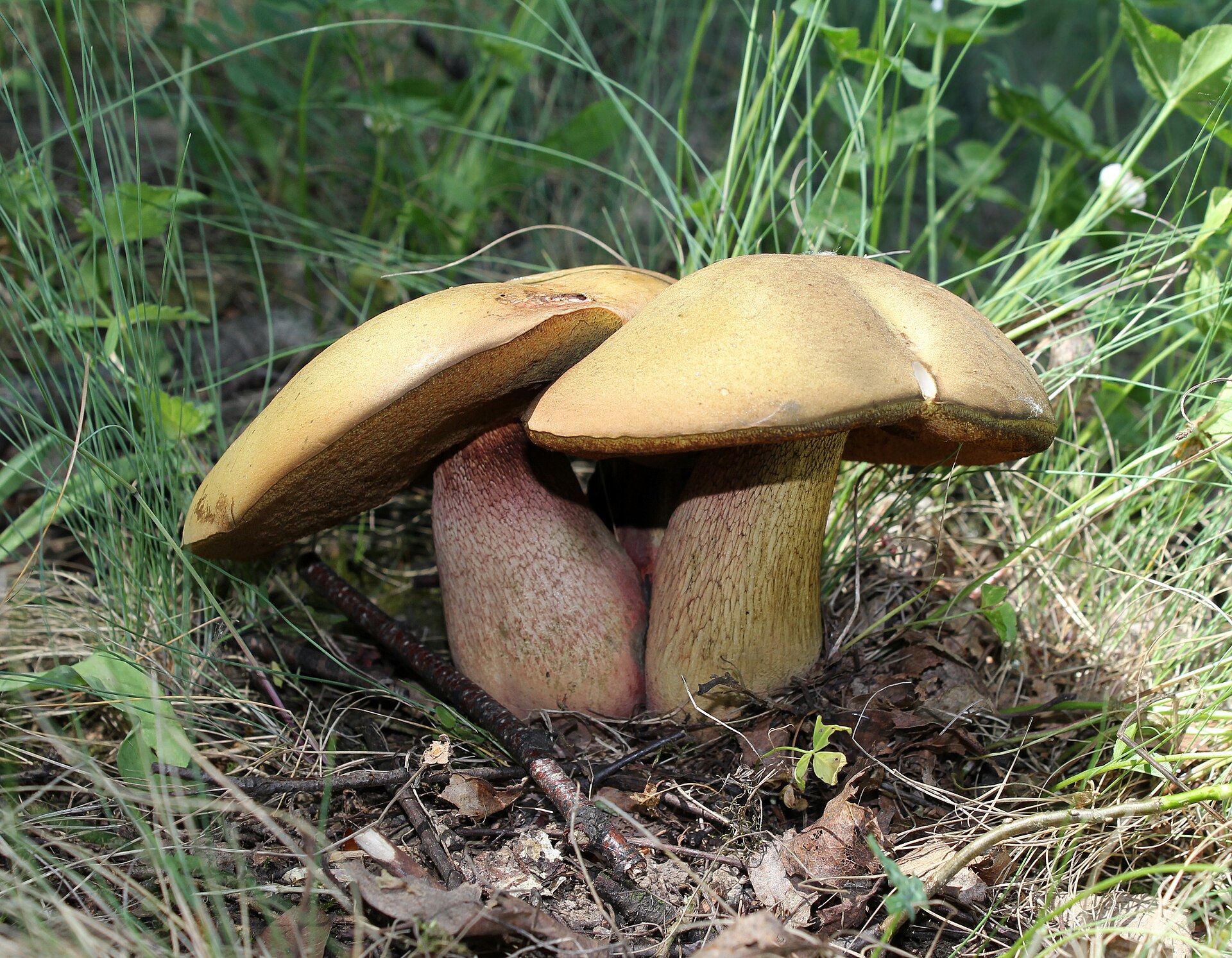
What do macro photographers actually look for?
They look down, and they look slowly. A photographer walking a familiar forest trail found centimeter-tall mushrooms on a rotting log only because he was deliberately searching for them. At standing height, they were easy to walk past. From below, the gill structure underneath the cap became the photograph. That shift, from walking through a place to examining a few feet of it, is the whole discipline. The subject is rarely rare. The attention is.
When is the best time to go looking?
After rain, and early. Mushrooms appear in warm, moist conditions, often a day or two after a good rain, and they do not stay in good condition for long. Insects, being cold-blooded, are slower and easier to photograph in the early hours and on drizzly or overcast days, when they shelter under leaves. Bright sun is the enemy here: dappled light on a forest floor creates harsh patches that fight the subject. A soft, grey day does the lighting work for you.
How do you start without a perfect setup?
Start with something that cannot run away. A stationary flower, a mushroom, or a curled leaf gives you time to work on focus and composition, and to notice the background, which matters as much as the subject. Depth of field is paper-thin up close, so focus stacking, combining frames focused at different distances, is how photographers hold a whole insect sharp, and a small diffused flash can freeze a breeze-blown leaf without harsh highlights. None of that requires a distant destination.
Why it matters for you
Macro is the cheapest way to practise seeing. It asks for no travel, no model, and no golden hour, only a local patch and a slower pace. If your wider work feels stuck, a week of looking closely at one park or garden will teach you more about light, background, and patience than another search for a dramatic location. The small worlds were already near you.