Your Rim Light Isn't Weak — Your Fill Is Just Winning
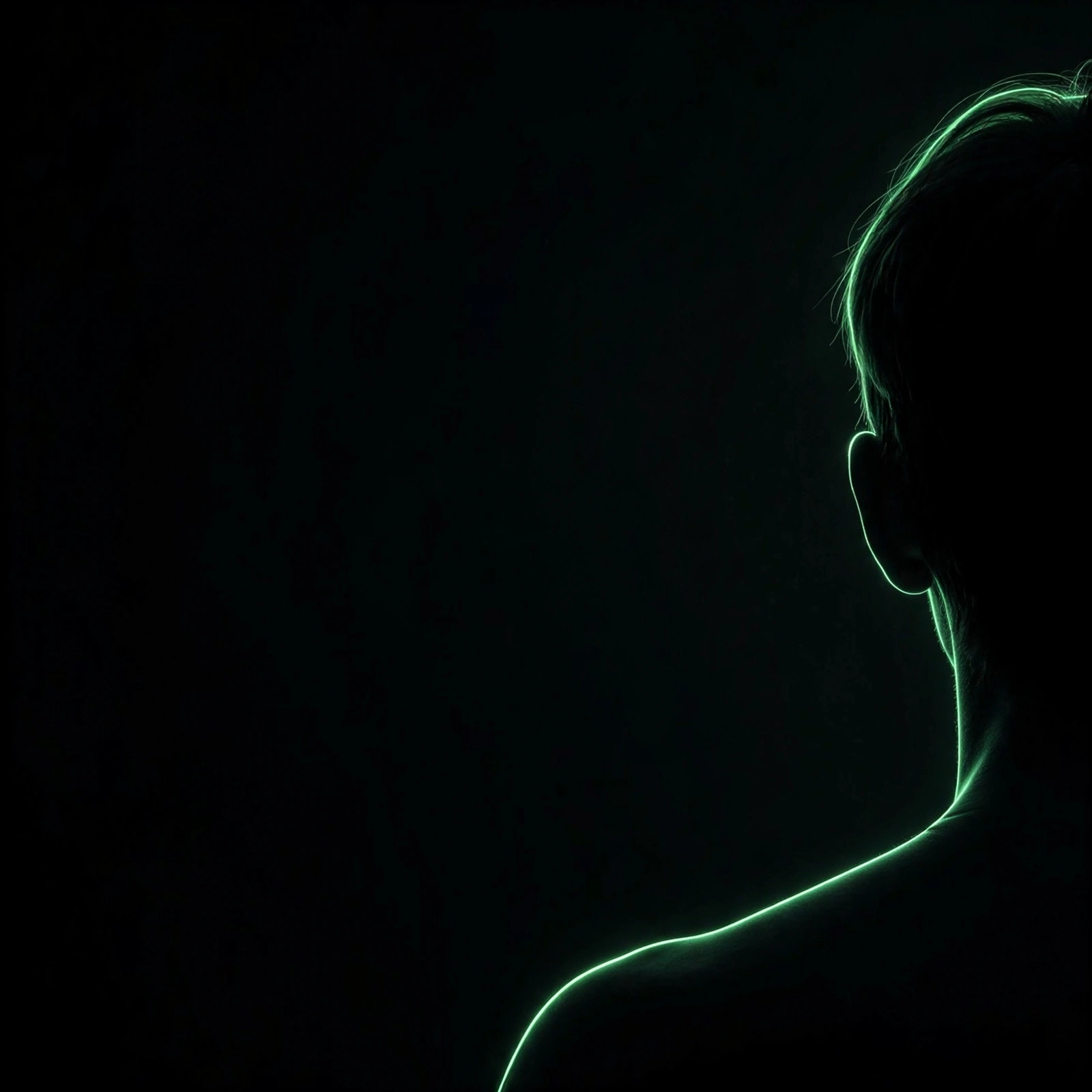
Why does the rim disappear when you raise the fill?
Because each light's brightness only reads next to the other. Taylor builds a pop art beauty portrait from three umbrellas — two silver ones behind the model at 45 degrees for the rim, one deep umbrella in front for the fill — and fires all three at once instead of testing each in isolation.
His first test shows a strong rim and a badly underexposed fill. He raises the fill two stops, and the rim nearly vanishes. He raises the rim two stops, and the fill looks dark again. Before a single frame, he also catches a setup error — one rear head at 400 joules against the other's 800, a full stop apart.
How do you balance two lights that fight each other?
Photographers describe the relationship as a lighting ratio, counted in stops. One stop of difference is 2:1, two stops is 4:1. On studio strobes like Broncolor's, one whole power number equals one stop; on a manual speedlight, each step from 1/1 to 1/2 to 1/4 cuts output by a stop.
The method transfers across any system: change one light, look at the edge and the face together, and move the other by a known number of stops.
What changes the rim without touching a power dial?
The model's head position. With her body angled away, her head turns naturally toward one of the rear lights, and more light glances off that side of her face. Taylor drops that light half a stop, and the two edges match — even though the lights are no longer set evenly. Posing is lighting: half a stop of head turn can do what half a stop on the dial does.
Why it matters for you
Ratios are the first studio language worth learning, because everything in lighting is relative and two lights always negotiate. The habit to take away is the discipline: change one thing, watch the relationship between edge and face, and count your stops instead of guessing.
That discipline travels. The same thinking applies with one speedlight bounced off the nearest wall and the ambient in the room pulling against it. Learn to see two sources as one conversation, and every lighting setup you ever build gets easier.