Photograph the Place You Already Know
Why do familiar places get skipped?
The places you see every week are the ones you are least likely to photograph, because they feel too familiar to bother with. Photographers wait for the trip, the exotic location, the scene they have never seen. Meanwhile the street corner, the market, and the village fair go undocumented, year after year, until they change or vanish.
Photographer Teo Crawford traces his approach to a box of slides his grandmother handed him in Japan, shot mostly by his grandfather on a 1967 trip through Kyushu. Plenty of photographs from 1967 exist, but these hit harder because he knew the people in them, including a younger version of his grandmother he had never seen. He calls the area where your life actually happens a radius of personal reality, and argues that documenting it is meaningful whether or not anyone else cares.
What makes an ordinary place worth returning to?
Seasonal events repeat, and that repetition is the project's engine. Crawford started this year with traditional Austrian events: a Maibaum fair on May 1 in Axams, where communities raise a tall decorated tree trunk with long poles, and the autumn Almabtrieb, when cows come down from mountain pastures wearing headdresses of greenery and flowers. When the cows finally arrived, he had roughly a one-minute window to shoot them.
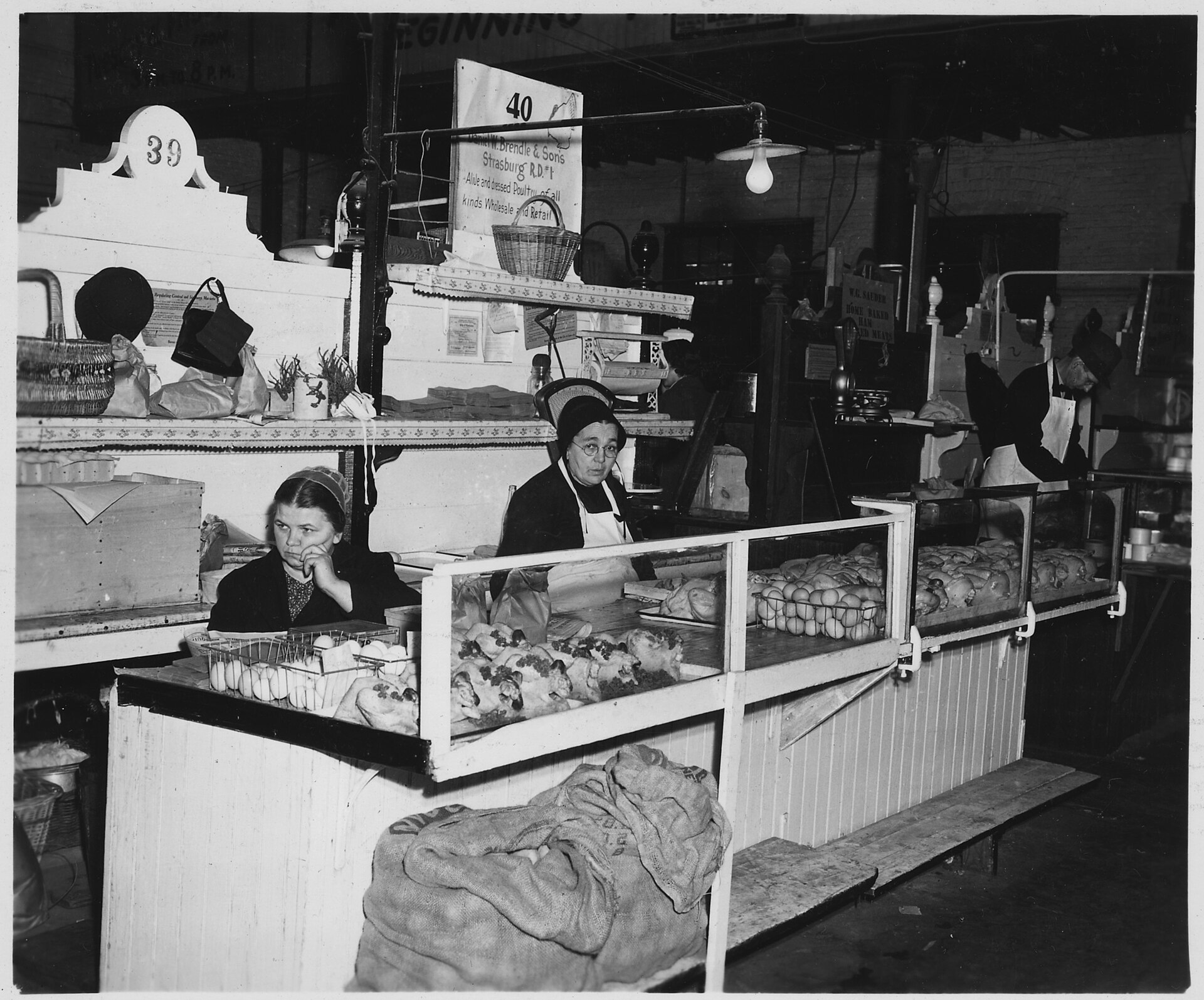
The logic is older than any one photographer. During the Great Depression, the Farm Security Administration sent photographers into small towns and farms to record ordinary daily life, and those images now sit in the Library of Congress as one of the most studied visual records of the era. What made them seem routine then is what makes them valuable now.
How do you run the project?
Draw your own radius first: the town, the neighborhood, the route you already walk. Pick the repeating events inside it, the market, the fair, the parade, and shoot them again next year and the year after. Keep dates and place names with your files, and scan the family slides that already exist, so your current work ties to an older record of the same places.
Why it matters for you
You do not need a trip to start a body of work. You need a place you can return to and the discipline to return. Pick one walk this week, photograph it properly, and photograph it again at the same event next year. The familiar place is not the fallback project. It is the one nobody else will make.