The Panoramic Crop Is a Decision, Not a Format
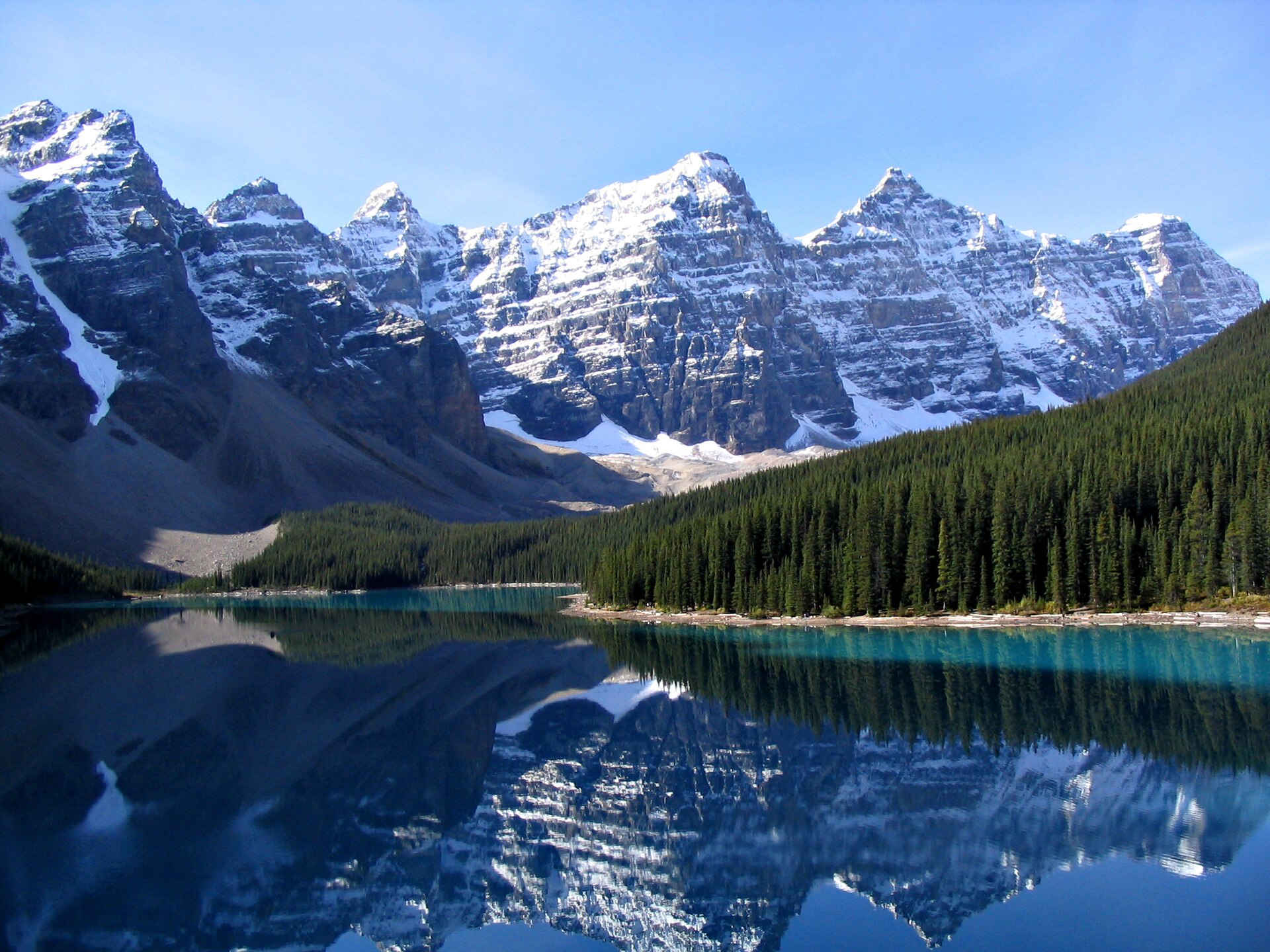
What does a wide frame actually do?
It changes how a photograph is viewed. A conventional landscape frame holds the eye in a balanced rectangle, while a panoramic crop puts the emphasis on width, so the viewer reads the image progressively, following changes in light and the relationships between foreground and background. That extended viewing is the format's real strength: it can make a photograph feel expansive without dramatic processing.
When does a panoramic crop work?
When the strongest visual information is distributed horizontally. Landscapes are the obvious case, but the format also suits architecture, cityscapes, and environmental portraits where the surrounding space contributes to the image. If the subject depends on vertical elements or a strong relationship between foreground and sky, cutting the height away weakens it. Compare ratios before committing: 2:1 or 2.35:1 are useful starting points, but a moderately wide frame may preserve enough depth while a more elongated one pushes horizontal movement harder. Neither is better.
How do you shoot one well?
There are two ways in. Cropping a single exposure is simplest, but it throws resolution away, so leave extra room around important details and check that the remaining file is enough for the print size you want. Stitching several frames together produces a much larger file with more detail. For consistent results, use a tripod when practical, keep the camera level, overlap consecutive frames by about 25 to 30 percent, and lock exposure, white balance, and focus before the sequence so no frame drifts. Stitching fails when things move: waves, foliage, clouds, and people can duplicate or misalign between frames, and in those cases a single exposure gives the more natural result.
Why it matters for you
Aspect ratio is a compositional choice, not a preset. The next time a scene feels wide but flat, try the crop in the edit before you decide the photograph is weak: cutting empty sky or dead foreground can be the difference between a snapshot and a keeper. And if you plan to print large, think about the panorama before you press the shutter, because a stitched sequence needs a level tripod and locked settings in the field, not a rescue in software.