One Lens for the Whole Hike
What is the one-lens argument?
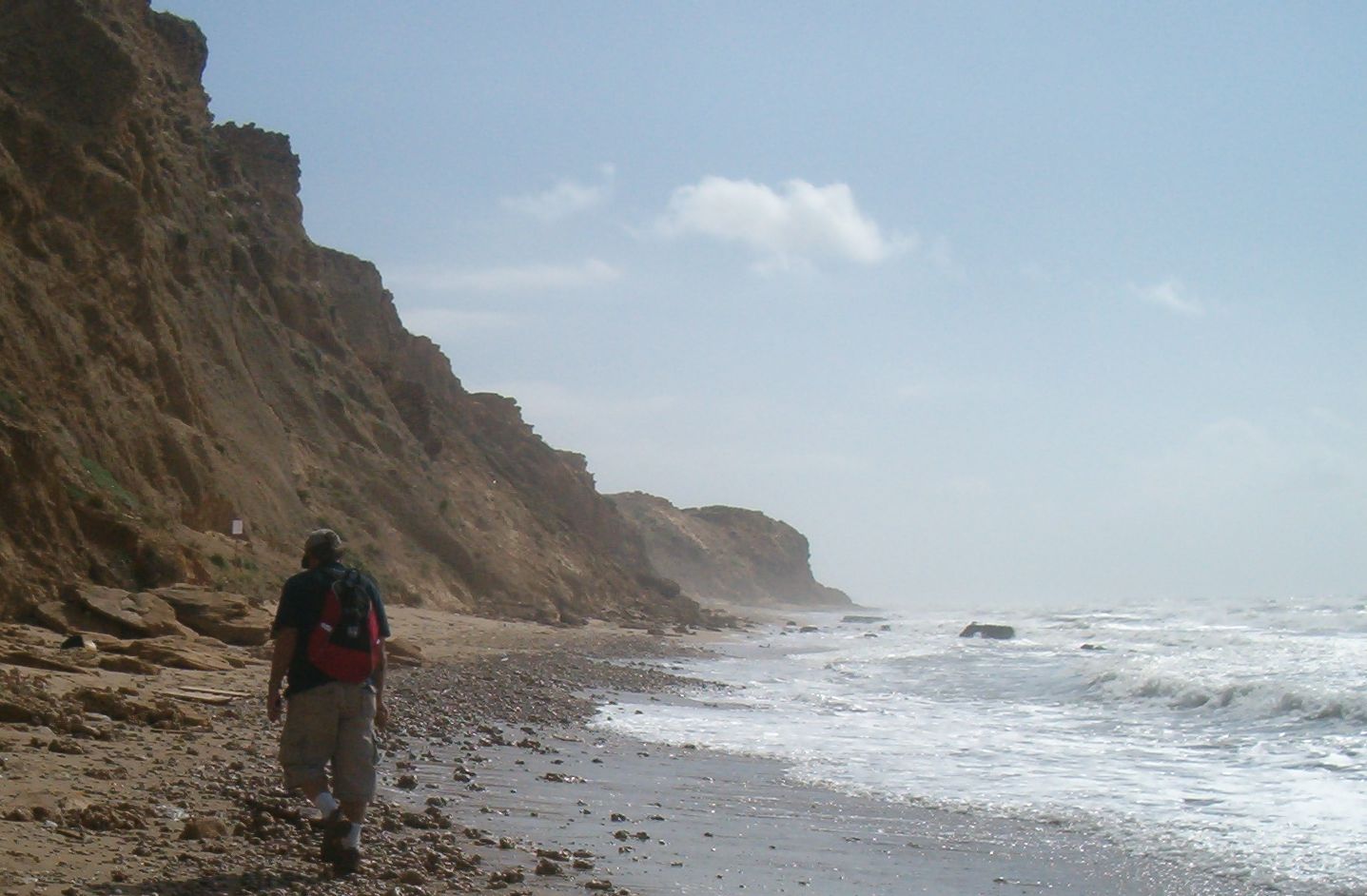
Weight changes what you photograph. Every extra lens is a decision on the trail, a bag opened in wind and spray, and a reason to leave the camera packed away. A single zoom that runs from a genuine wide angle to a useful telephoto removes those decisions. On a coastal hike in West Wales, a photographer tested exactly that idea with a 12-100mm lens, the equivalent of 24-200mm on full frame, taking it somewhere demanding on its very first outing rather than easing in with easy frames. The point of the test was not the lens alone. It was whether one lens could handle near foreground, distant sea stacks, and shifting light without a bag full of alternatives.
Where does one lens still fall short?
At the extremes, and up close. A plant a short distance from the lens still defeats depth of field, which is why focus stacking, three frames for the foreground scene plus a fourth for a bright sky in this case, stays in the toolkit even with a do-everything zoom. Real wide-angle work, pulling the eye along rock lines toward light, is where a dedicated wide zoom still earns its place, and flare in a low sun can still wash out a foreground. The honest verdict is not that one lens does everything. It is that it does nearly everything, and the gaps are specific enough to plan around.
Why it matters for you
Before your next long walk, ask a different question about your kit. Not which lens is sharpest, but which setup you will still enjoy carrying after hours on the trail. If the answer is one zoom and a camera you actually lift to your eye at the end of the day, that setup will make more photographs than the perfect kit left in the bag. Enjoyment is not a soft metric on a hike. It is the thing that keeps you shooting.