The Night Sky Is Getting Brighter Every Year. Your Dark-Sky Shots Have a Deadline.
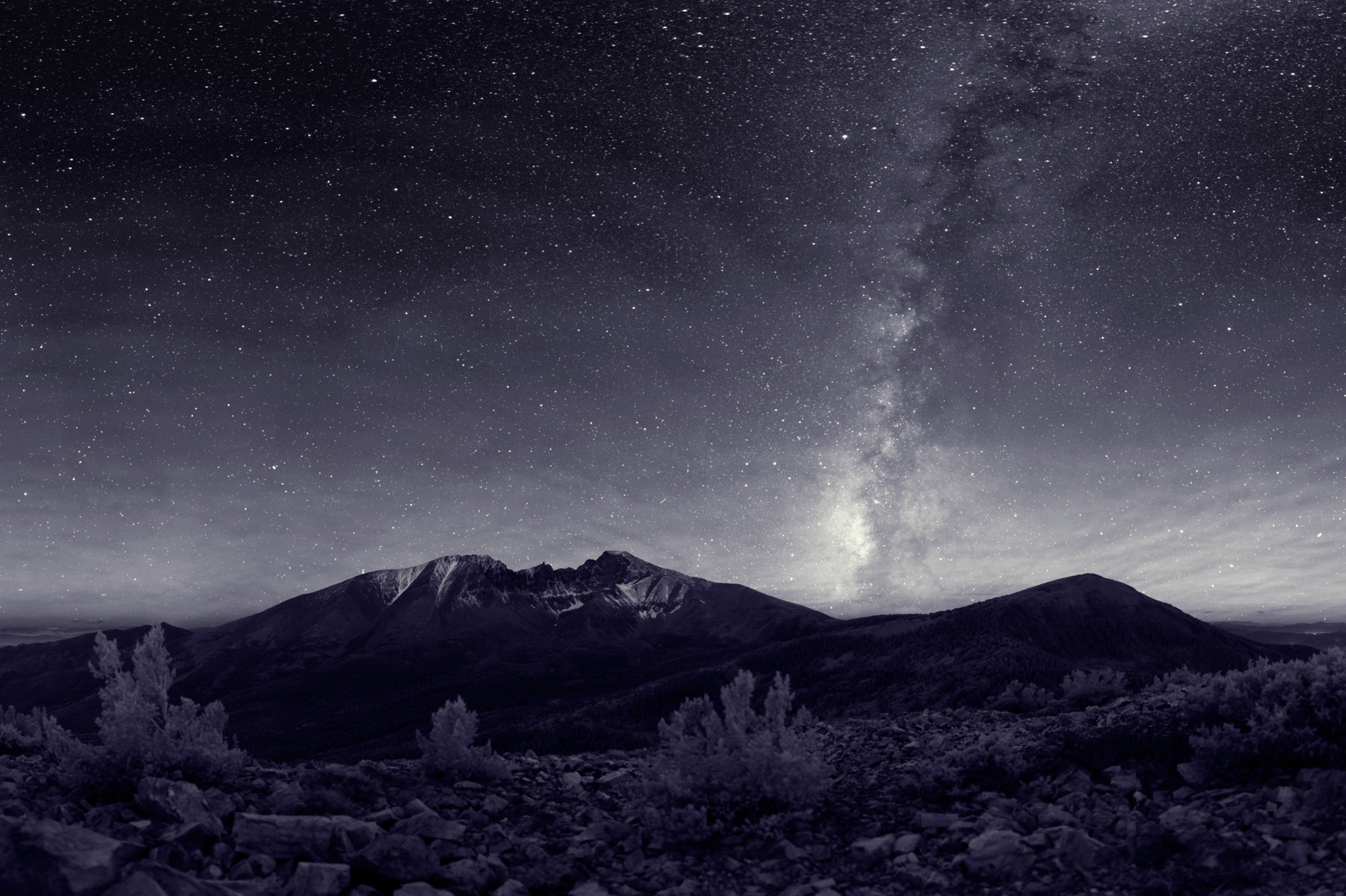
What did 51,351 star counts actually find?
The numbers come from Globe at Night, a citizen-science program run by NSF's NOIRLab. Volunteers go outside on moonless nights, let their eyes adapt for ten minutes, and match what they see to one of eight star charts. As the background glow brightens, the faint stars go first. Researchers led by Christopher Kyba screened 83,989 cloud-free reports down to 51,351 usable ones and published the result in Science in January 2023.
The global figure was a rise of 9.6 percent per year in artificial sky brightness from 2011 to 2022. North America came in at 10.4 percent, Europe at 6.5 percent. Kyba put it plainly: a child born where 250 stars are visible would see about 100 by their eighteenth birthday. At that rate, sky brightness doubles in a little over seven and a half years.
Why did the satellites get it wrong?
The instrument that maps Earth at night, the VIIRS Day/Night Band, cannot detect light below about 500 nanometers. White LEDs, which took over new outdoor lighting during the 2010s, peak between 400 and 500 nanometers. The satellite looked straight past the blue spike, recording the ground getting slightly darker at the observers' own sites while the people standing there lost stars. Sideways light compounds it: skyglow is dominated by light headed toward the horizon, which crosses far more atmosphere and scatters back down.
What can a night photographer do about it?
First, stop treating dark-sky shots as evergreen. If a Milky Way landscape from a particular site is on your list, it is measurably harder next year than this year. Plan the trip now, not someday.
Second, know what gear can and cannot buy back. Narrowband filters pass only a couple of emission lines, which is why people image nebulae from suburban driveways. They do nothing for a Milky Way landscape, which emits the same broadband light the filter is there to kill. Once sky background dominates your noise, doubling the sky means doubling your total exposure. The unglamorous lever still wins: drive further, and shoot the target when it is highest.
Why it matters for you
Your camera did not get worse. The sky got brighter, fast enough to matter inside one photographer's working life. Treat dark skies like any disappearing subject: go while it is there, and shoot the target at its highest and darkest. The night you keep putting off is the one getting away fastest.