Speed in a Photograph Is About Perception, Not Shutter Speed
Who is Simone Marulli?
Simone Marulli is an Italian photographer at the top of aviation photography, known for images of fighter jets and airliners that seem to vibrate with speed. Photography entered his life through his father's fully manual film camera, but his professional career took a 25-year detour through 3D graphics and animation before he returned to the lens.
That detour shaped how he sees. Building images from nothing taught him about light, composition, color, balance, and patience — a visual education he now applies every time he looks through a viewfinder. When he frames a shot, he says he is mentally stripping away distractions and imagining the finished photograph hanging on a wall.
How do you photograph speed?
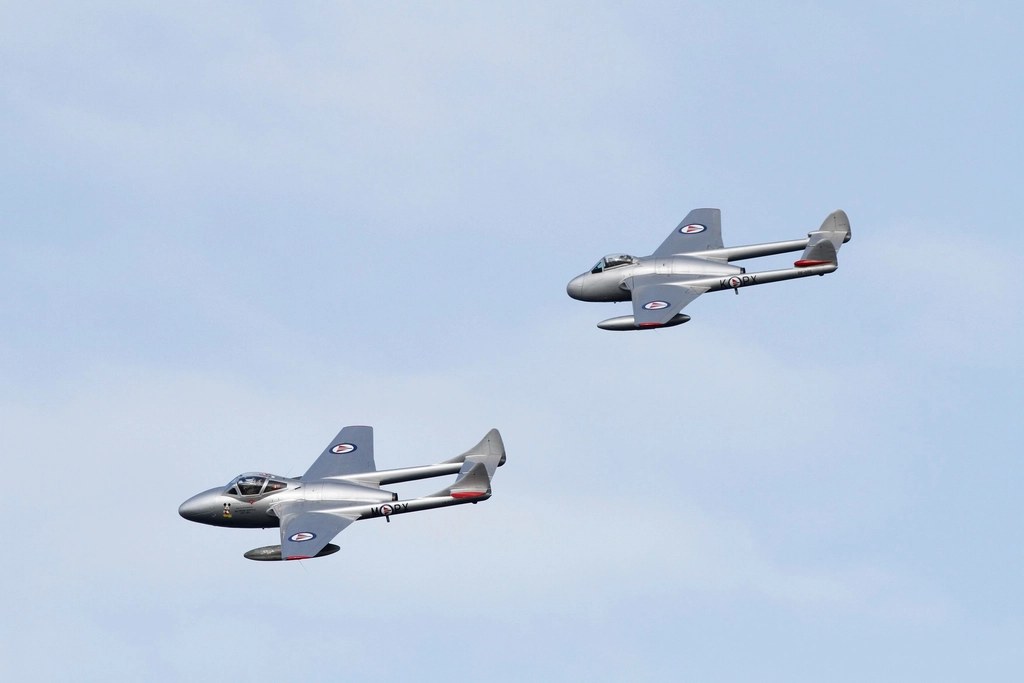
His central claim is simple: speed in a photograph is much more about perception than shutter speed. Settings matter — he chooses shutter speed based on the aircraft, the light, and what he wants to communicate, sometimes freezing the moment, sometimes slowing down to let motion blur carry the energy. But settings are never the starting point.
What comes first is energy. He asks himself where the aircraft is going, how the light is shaping it, and what emotion the viewer should feel. Long before it reaches him, he has composed the photograph in his mind: where the aircraft enters the frame, where it leaves, and the exact instant that best expresses the feeling. When the moment arrives, pressing the shutter is almost instinctive. Even against a clear sky, the aircraft's angle, telephoto compression, and position in the frame tell the story — our brains complete the motion.
What should you try first?
Marulli started where he could: airliners at airports in the early 2000s, before he had access to military jets. Accessibility was the teacher. For anyone inspired to try, he points to air shows as an incredible place to learn — structured, close, and full of aircraft worth photographing. His bird photography, which demands the same fast autofocus and anticipatory timing, taught him something deeper than technique: how to observe.
His one-line lesson from 25 years of doing it: do not chase photographs, chase experiences. When you focus only on coming home with a spectacular image, you often leave disappointed. When you focus on being present — watching, listening, learning — you come home with something more valuable, and sometimes that is the photograph.
Why it matters for you
You do not need a fighter jet to use this. The next time you photograph anything that moves — a cyclist, a dog, a kid on a swing — try his sequence: decide the feeling first, pre-compose the frame in your mind, then let the shutter be the last step. Pick one spot at a local air show or airfield, watch how aircraft enter and leave your frame, and shoot with intention instead of spraying. The settings will come with time. Curiosity has to come first.