Can a 2.5-Pound Kit Really Do Wildlife?
What did the kit actually weigh, and how far did it reach?
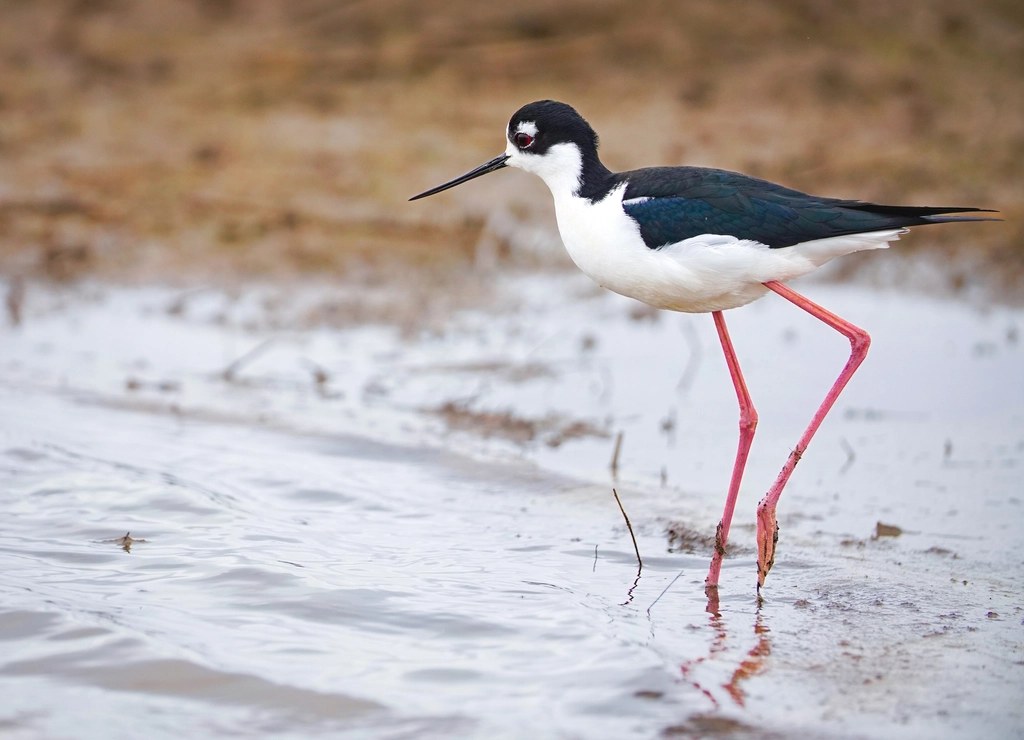
Wildlife gear has a reputation problem: the best of it is heavy and expensive, which is a poor match for the kind of wildlife photography Digital Camera World's Hillary K. Grigonis prefers, which is hiking rather than sitting in a blind. Inspired by the launch of the Sony RX10 V bridge camera, she set out to test whether a lightweight mirrorless kit under three pounds could do the job. Her pick was the Sony A6700 with the E 70-350mm f/4.5-6.3 G OSS, weighing just over 36 ounces. The crop sensor does real work: the lens behaves like a 105-525mm on full frame, genuine wildlife reach you can carry for miles. She walked almost two and a half miles at a wildlife refuge, photographing migrating sandhill cranes and red-winged blackbirds. Her verdict: she was not disappointed.
Where does the light kit fall short?
The honest part of the test is what she missed. After using a 600mm lens, 350mm felt short, and the cranes stayed distant. She also missed the bigger systems she compared it against, like an A7 V with the 200-600mm, whose larger sensors hold up better at fast shutter speeds, which shows up most when you crop in hard. A light kit does not match a flagship wildlife rig. It matches the photographer who would otherwise leave the heavy rig at home.
How do you shoot around the shorter reach?
With a shorter telephoto, patience stops being a virtue and becomes the technique. Grigonis is candid that she is normally too impatient to sit still, and that this kit asks you to wait for the creature to come close rather than chasing it. When the distance is too great, the workaround is composition: shoot more environmental portraits, showing the birds inside their surroundings, and let the fall color frame the distant cranes instead of fighting for a tight crop that is not there.
Why it matters for you
The heaviest camera is the one you leave behind. If wildlife photography has felt out of reach because the gear looks like a second mortgage and a gym membership, this test is good news: a crop-sensor body and one telephoto zoom, around two and a quarter pounds, will get you real wildlife photographs on a real hike. You will not out-reach the big primes, but you will be out there, at golden hour, with a camera in your hands.