The Fastest Tilt-Shift Ever Is a 24mm f/2 From Laowa
What is a tilt-shift lens, exactly?
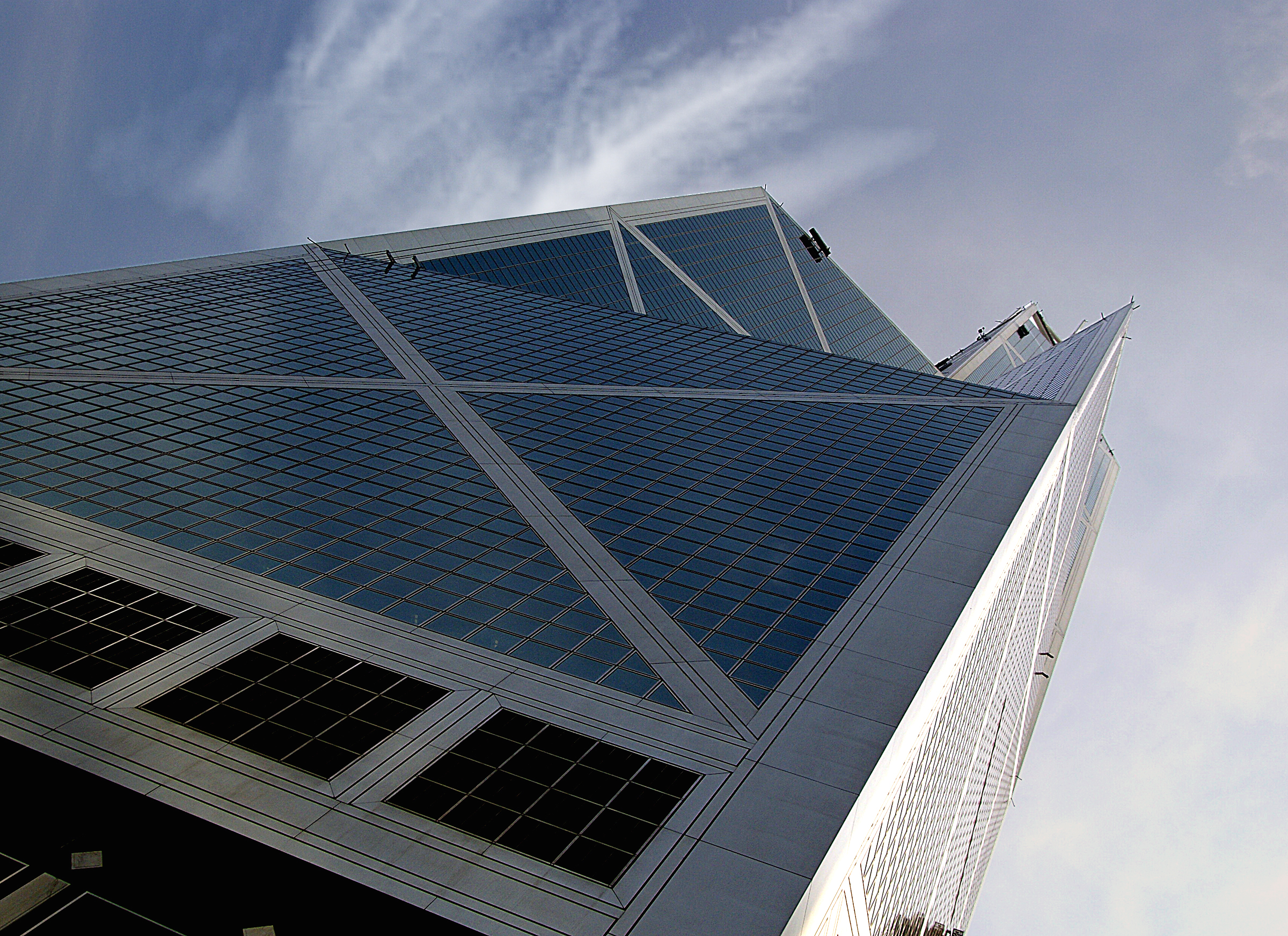
It is a lens whose optics physically move. Tilt swings the plane of focus so it no longer sits parallel to the sensor; shift slides the optical assembly sideways so you can reframe without tilting the camera. The classic payoff is architectural: buildings stop leaning inward because the camera stays level while the lens looks up.
Landscape and product shooters use the tilt side instead, bending the focus plane in ways no aperture can — sharp from the foreground flowers to the far ridge at f/4, or a miniature-world sliver of focus on command. They are manual focus, always: a deliberate instrument, never a fast one — until now.
What makes this one different?
The f/2 aperture. Tilt-shift lenses are traditionally slow, and this one claims to be the fastest ever built. That matters exactly where shift lenses earn their keep: twilight cityscapes and architectural interiors, where you cannot add light and every stop counts.
The Zero-D name means near-zero optical distortion, corrected in the glass rather than relying on automatic in-camera correction — a meaningful distinction when straight lines are the entire subject. Movement is generous — plus-or-minus 10 degrees of tilt and 12mm of shift — in a body described as relatively compact for its type.
Who is it actually for?
Mounts cover Canon RF, Nikon Z, Sony E, and L-mount full-frame mirrorless, plus Fujifilm GFX and Hasselblad XCD versions with the full tilt-shift range on select medium format cameras. One caution: the L-mount version does not fit certain Panasonic Lumix S-series bodies. At $1,249, it is a specialist purchase — 24mm being the classic architecture and cityscape focal length.
Why it matters for you
Most learners will never buy a tilt-shift lens, and that is fine. The lesson is in what it teaches about your normal lens: converging verticals are a camera-position problem with a physics solution, not a flaw in your eye. Next time a building leans in your frame, you will know exactly why — and that keeping the camera level is the free version of the fix.
The broader reminder: the best corrections still happen in glass, not in software. Optical quality starts at the lens.