14 Landscape Photography Beliefs Worth Questioning
Which beliefs are about gear?
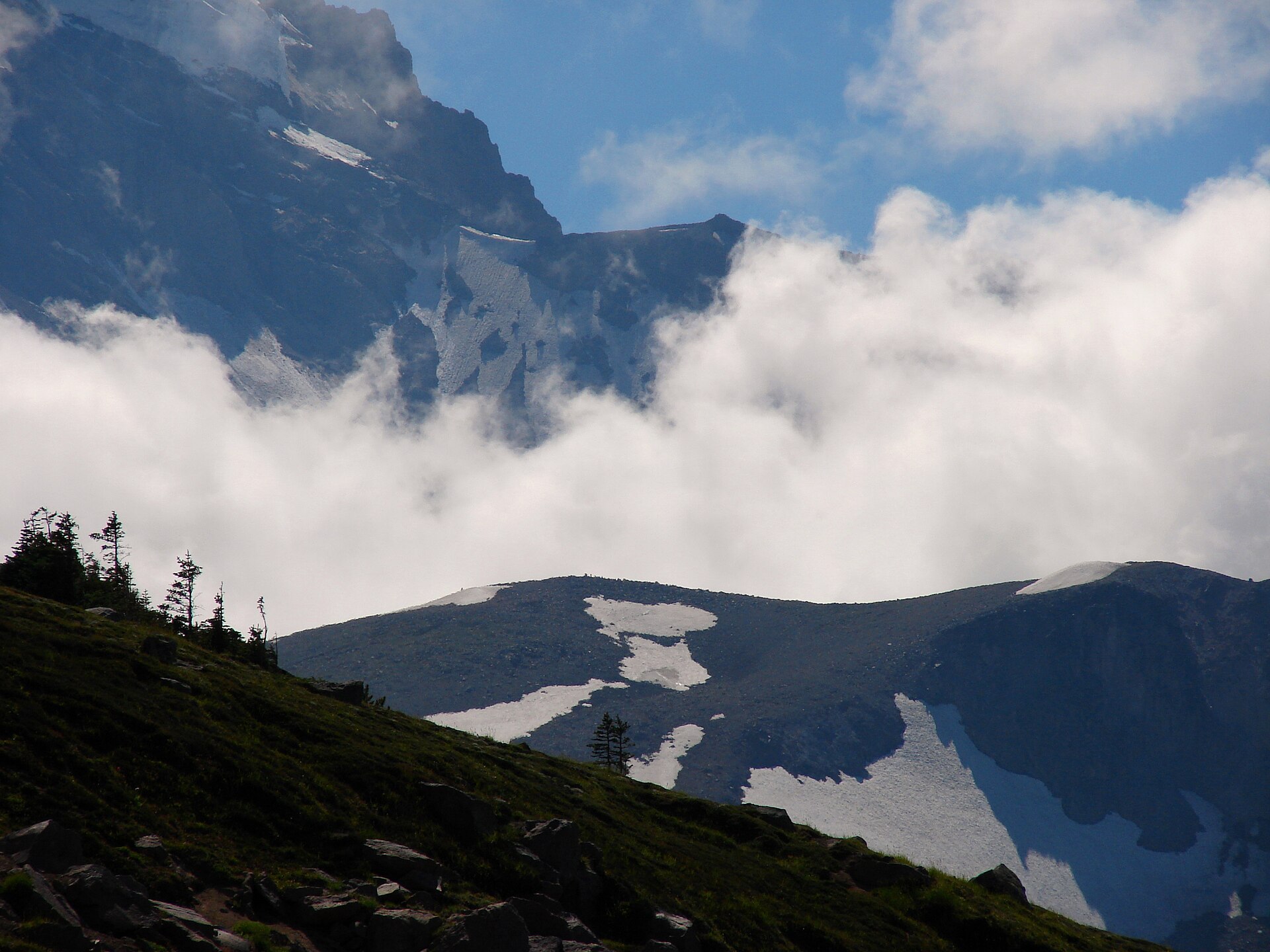
The big one: landscapes don't require an ultra-wide lens. Scott argues for building the composition in your mind's eye first, then picking the focal length that brings it to life — wide or telephoto. A long lens isolating a ridge is every bit as much a landscape as a 16mm frame.
The tripod gets the same treatment. Scott uses one, but notes some locations ban them and some moments don't allow them. His rule: no image because you couldn't set up is worse than shooting handheld. Some image beats no image.
What about travel, income, and fame?
Scott is direct: landscape photography is very unlikely to become your income. He once assumed print sales might become a living and now calls it a passion, with only a handful making it work. Friends and family won't feel about your prints the way you do, and followers are earned over time.
Exotic travel isn't required, and a harder hike doesn't make an image more valuable. A local park twenty minutes away, visited whenever conditions look promising, beats an expensive trip with fixed dates.
Why do repeat visits win?
It's rare to walk up to an unfamiliar spot and capture the image you pictured. Far more often, the shot comes after returning again and again — a failed first visit is scouting. Planning apps like PhotoPills and The Photographer's Ephemeris then show exactly when light reaches the ridge.
The seasonal shift is bigger than most expect: at 40 degrees north, the sunrise point moves more than 60 degrees between solstices. Keep notes per visit — date, time, wind, cloud cover, what didn't work. After three or four visits, those notes tell you more than any app.
Why it matters for you
Beliefs decide what you buy, where you travel, and how you judge your progress — and several standard ones don't hold up in the field. Question the gear rule first: shoot your next landscape with whatever lens you own and let the scene, not the forum, choose the focal length.
And remember the editing caveat. Post-processing can improve parts of a photo, but a poorly composed frame stays poorly composed. The work has to happen in camera.