The Most Important Gear Gets You to the Shot
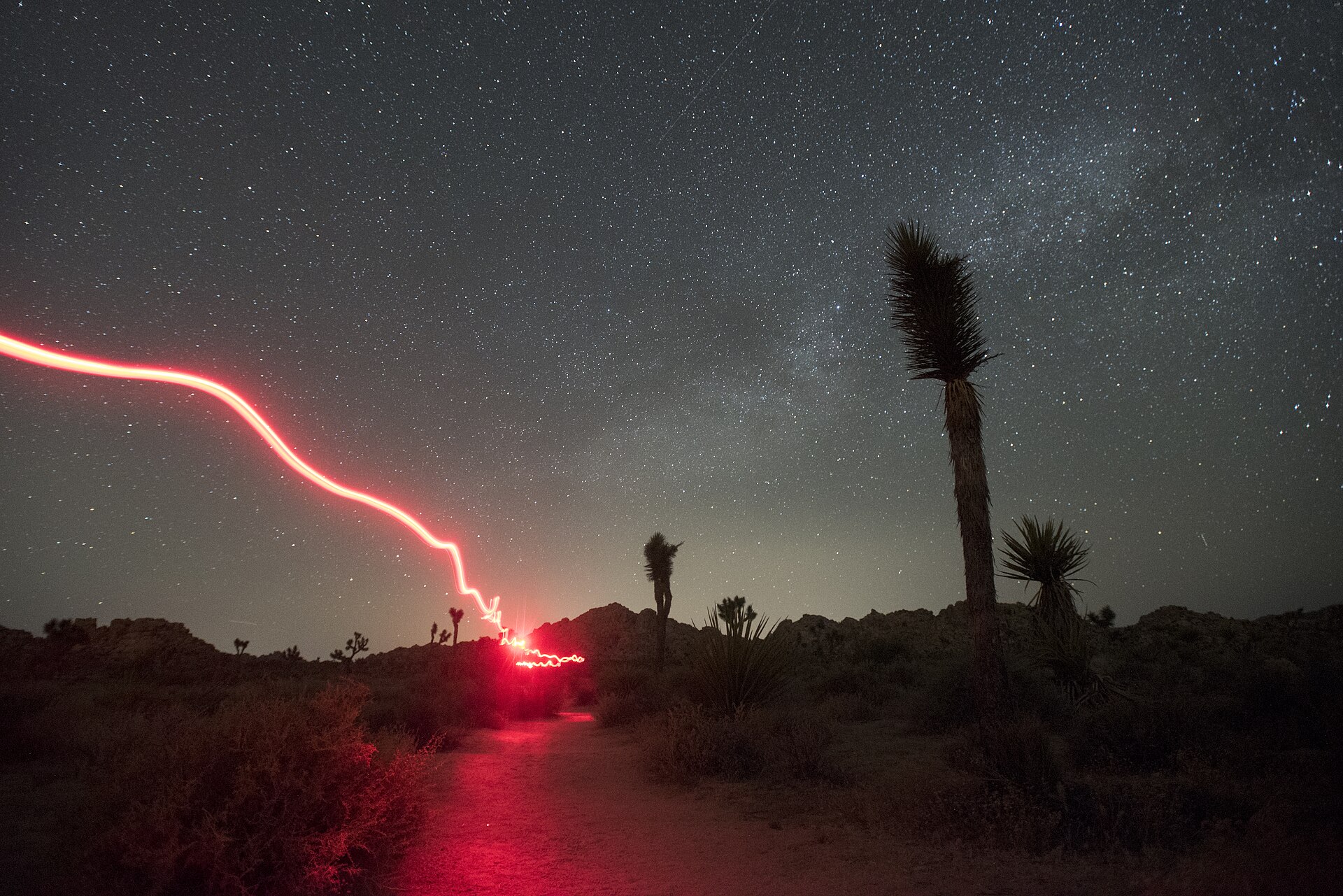
Why would a headlamp beat a lens?
Because the lens only matters if you arrive. CamerEyes, a Philippines-based travel photographer who shoots with a Sony a7CR and a Fujifilm X-H2, calls his headlamp his favorite piece of gear, and his reasoning is blunt: unless he makes it safely to a particular spot, all his gear is pretty much useless. Getting to the coast before sunrise often means walking in the dark, and he wants both hands free. One coastal trek meant being up at 3:45 in the morning, following the sound of the sea, with the headlamp making the trek easy.
What happens before the camera comes out?
Most of the photography. Near the equator, where CamerEyes often shoots, the dramatic window for sunrise and sunset is usually twelve to fifteen minutes at most. That means waking at 3:30 in the morning to be on a hillside for a sunrise around 5:00, and by 5:20 the sky is so bright that even ND filters hardly help. Once he is safely at the location, he does not immediately set up his tripod. He stands and stares for a few minutes, watches how the clouds are moving, and takes a few slow-shutter shots handheld at higher ISO. Those initial images often give him the reference that makes his more deliberate shots work. He also asks locals for guidance, because people who live there have recommended spots that Google has not even heard of.
Why it matters for you
Audit the hour before your next shoot, not just your bag. The most valuable thing you can pack might be the thing that gets you there in one piece, and the most valuable minutes might be the ones you spend standing still, watching the clouds, before you touch the tripod. CamerEyes is equally direct about ISO: with noise reduction as advanced as it is today, he says not to be afraid to shoot at ISO 6400 or higher when you have to, where until around 2022 he usually avoided going beyond ISO 1600. Try it once: arrive early, look for five minutes, take a few handheld frames at high ISO as reference, and only then set up. The photograph will be better, and so will the walk back.