Step Back From the Animal and the Photograph Gets Better
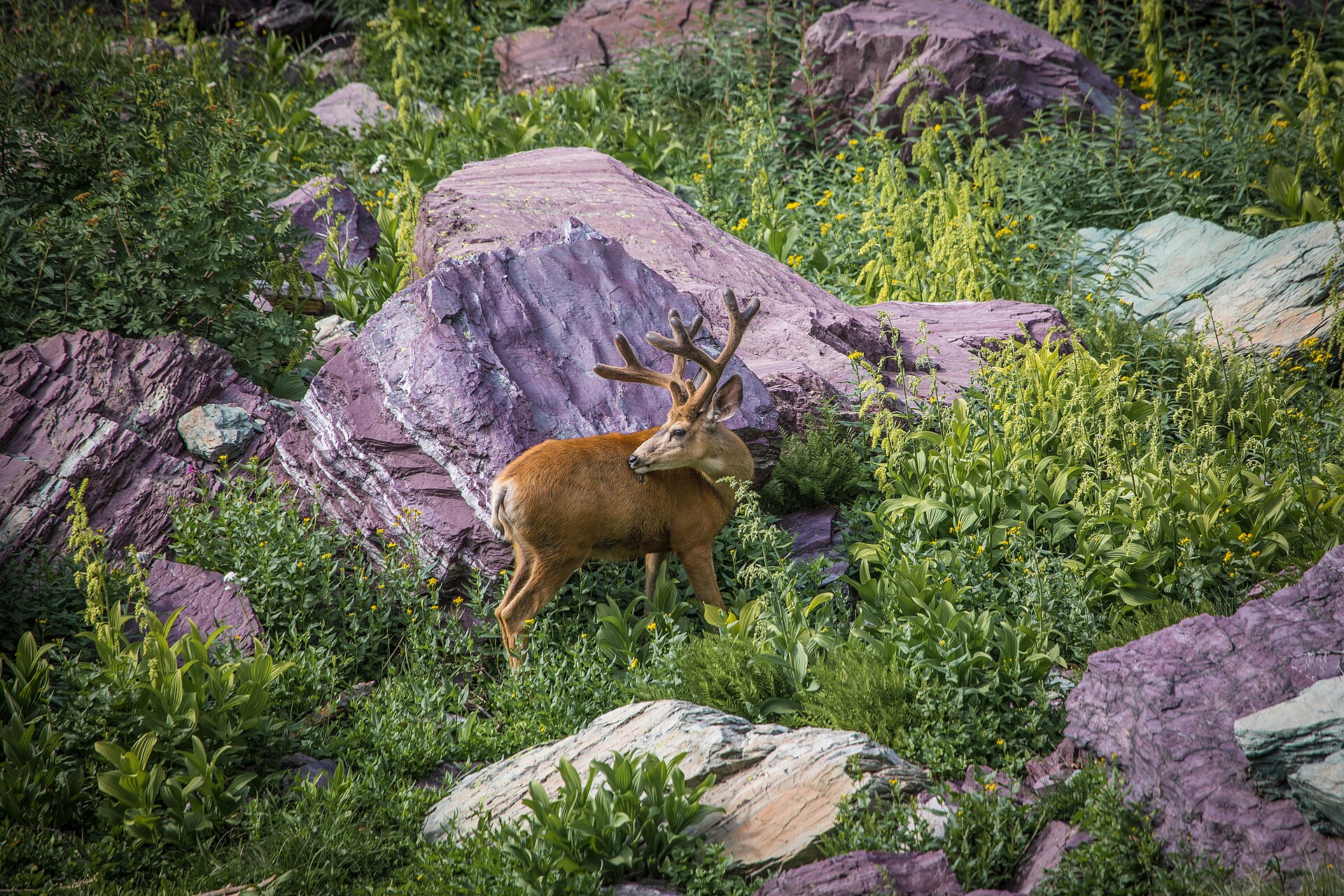
What is the photograph actually about?
Most wildlife photographers measure success in proximity: how close they got, how much detail they held, how clean the background blur was. That instinct produces beautiful portraits, but a tight portrait answers only one question, what the animal looks like. It says nothing about where it lives, how it moves through its world, or how small it is against the landscape that shapes its life.
Wildlife photographer Kate Garibaldi makes the case, in a PetaPixel piece built around her own field work, for giving the habitat an active role. An environmental portrait does not mean a landscape with a tiny animal lost in it. It means a frame where the surroundings earn their space by telling the viewer something the animal alone cannot.
How do you decide how much habitat to include?
Garibaldi offers a simple crop test. Imagine cropping tighter: if the tighter frame tells essentially the same story, the extra space was decoration, and it can go. If cropping removes information about behavior, habitat, or scale, those elements are doing real work and should stay.
The same discipline applies to what stays in the frame. A bright patch of sky, a branch crossing the animal's body, or a distant structure are not just clutter; they are claims about what matters.
What keeps the animal from getting lost?
A wider frame still needs an anchor. Contrast helps, a dark mammal against pale snow reads instantly even when small. Light helps more: an animal caught in a break in the clouds, or rimmed by backlight, separates from vegetation without any blur at all.
The equipment follows the composition. Garibaldi's own choice is a superzoom telephoto, wide enough to include habitat and long enough to tighten when the moment changes, without a lens swap.
Why it matters for you
On your next wildlife outing, shoot every subject twice: once tight, once with the habitat in the frame. Then run the crop test on the wider frame. You will find that some of your best photographs are not the closest ones.