Good Lighting Can Still Be the Wrong Lighting
What does wrong lighting look like?
Photographer and teacher Karl Taylor breaks down a Tom Ford aftershave photograph. The brief demanded masculine and luxurious at the same time, so the palette sits in cool blues and silvers around a matte black bottle, with a gold label sitting opposite blue on the color wheel to pull the eye to the brand. The setup was modest, two or maybe three lights. The hard part was knowing what each light had to reveal about the form, the ridges, and the water.
How do shadows change the story?
Taylor shows the same fantasy scene twice: a model on a swing in an ornate room. In the hard-lit version, a sharp patch of light and a strong shadow read as mystery, maybe danger. With the same room, swing, and model but softer light, the same picture reads as pure and gentle, closer to a perfume advertisement. In portraits, shadow density alone decides much of what a viewer feels.
What is the exercise?
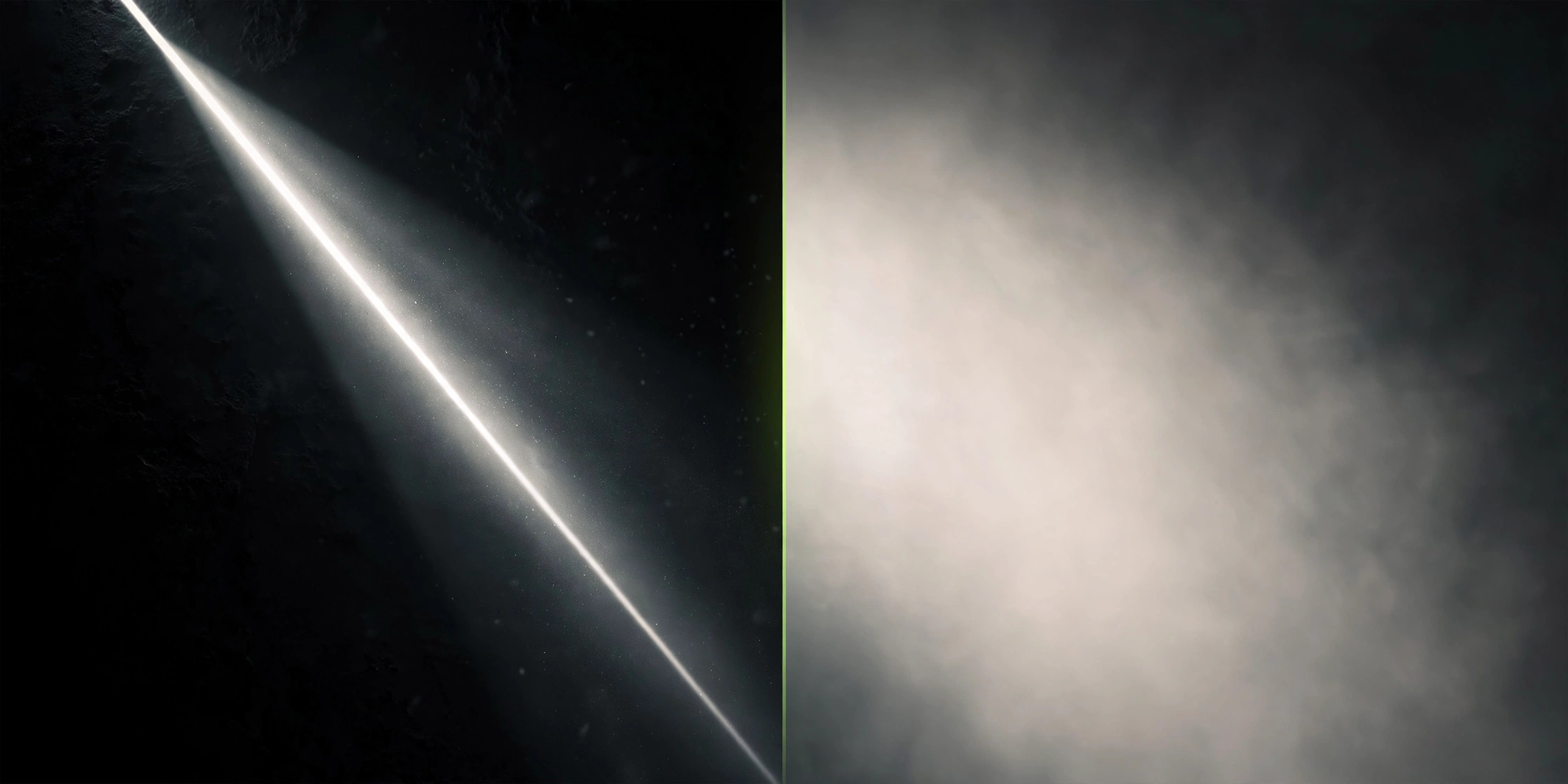
Before a shoot, write down three or four words for the feeling you want, then check every decision against them, from backdrop color to how hard the key light is. Anything that does not serve one of those words is a candidate to cut. Then photograph the same subject twice, once in soft open light and once with darker shadows, changing nothing else. The two frames will teach you more about light than a new modifier will.
Why it matters for you
Knowing ratios and how to set up a softbox is only half the job. Knowing when and why to use each one is what separates good photography from technically okay photography. That is Taylor's line, and it is the standard to hold yourself to. The next time a picture feels flat, do not buy a light. Ask what the light is supposed to say, and whether the light you used said something else.