What Your First Print Will Teach You About Your Own Photos
Why did printing feel different from looking at a screen?
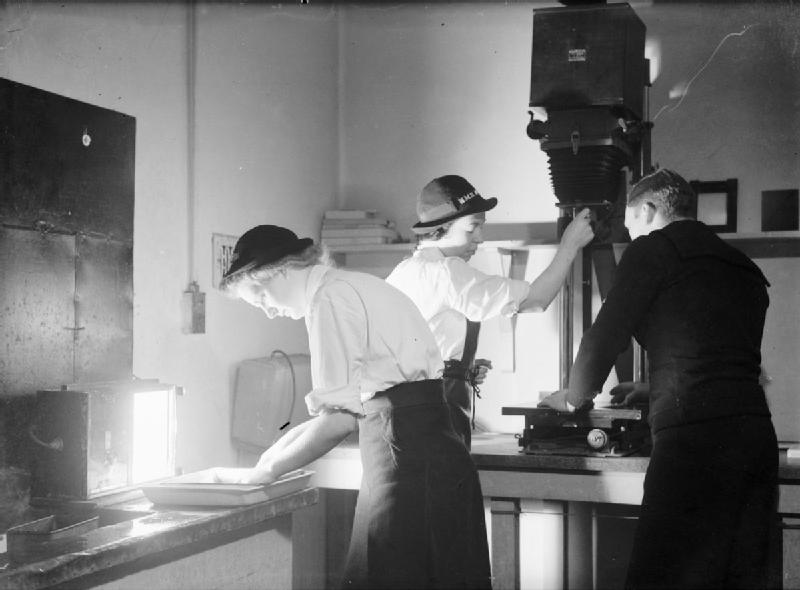
Clark had never made a real print. Like most of us, his photography lived on screens: 4x6 drugstore prints and photo books, but nothing large and nothing he was involved in making. When his colleague Abby, for whom printing is part of the gallery process, heard this, she was horrified, and the two finally met up to make a darkroom print together.
He chose a favorite: a film photo of a baseball player signing autographs, shot years earlier. The difference was not the image. It was the time. The darkroom process forced him to sit with the photograph in a way he almost never does, and he suspects his whole relationship to photography would be different if printing were a normal part of the process instead of a novelty.
What did the print reveal that the monitor hid?
Even though he had looked at the scanned negative on his monitor many times, he noticed new things in the print. Just as telling is what the print hid. Clark's bad habit, and probably yours too, is zooming to 1:1 on screen, where every bit of softness and every slightly slow shutter speed is laid bare. On the print, at real viewing size, those flaws were not as obvious, and he could finally just experience the picture.
Flip that around and printing becomes a teacher. Spending that much time with one image forces you to ask what you would do differently if you were shooting it again. A print is a post-mortem you can hang on a wall.
Why it matters for you
You do not need a darkroom. A large print from a good lab, or even a careful review on a big screen at real print size, breaks the 1:1 pixel habit and shows you what your photo actually is. If you have never printed your work, pick your single favorite photo and print it large. What it reveals about your shooting will be worth more than your next lens.