How to Find Compositions When the Location Overwhelms You
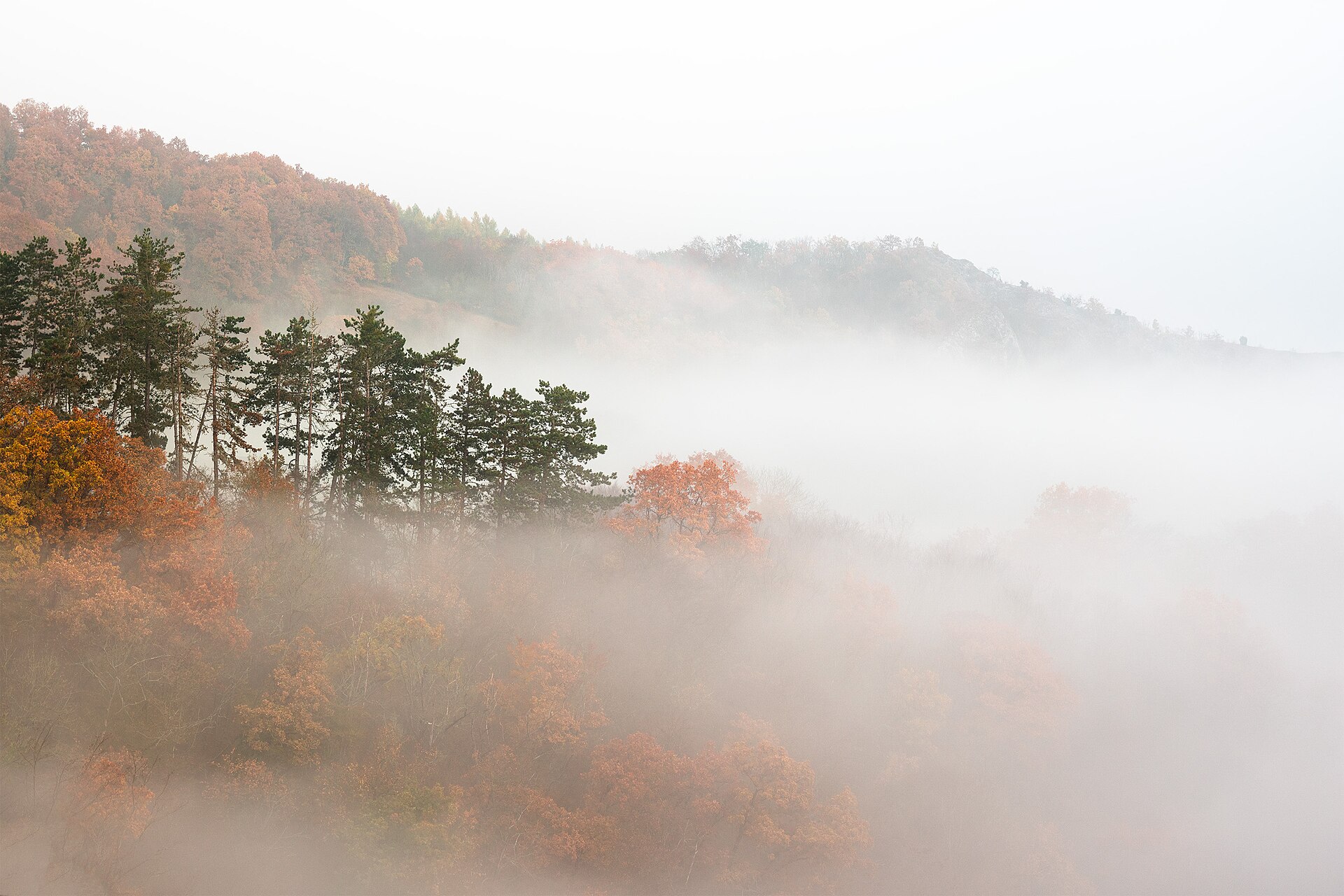
Why do beautiful places make composition harder?
You arrive somewhere stunning, raise the camera, and everything comes back looking like a postcard someone else already took. Too much to look at stalls your composition faster than too little, and Gonzalez is candid that his first day in Vermont went badly enough that he stopped vlogging entirely. The problem is not the scene. It is that the scene never ends.
What are compositional blinders?
Gonzalez's answer is three constraints that cut visual noise until a picture shows up. The first is closing the rear LCD and working only through the viewfinder, which removes the periphery and makes you build one frame at a time instead of taking in the whole valley. The second is a long lens. A 70-200mm zoom is a reasonable start, and Gonzalez carried a 300mm. At those focal lengths context drops away and a viewer reads patterns and forms instead of a place. The third is an in-camera crop mode. On a Nikon Z6III he shot the square crop; on the Hasselblad 907X he used XPan mode, a long cinematic strip. That strip paid off at an old rail yard, where he could build images from left to right without making every corner of the scene work at once.
What should you know before trusting a crop mode?
Crop behavior is not the same across cameras. On the Nikon Z6III, a 1:1 crop also crops the RAW file, so the pixels outside the square are gone for good. Many other systems crop only the JPEG and keep the full sensor area in RAW, which leaves room to change your mind later. Check your camera before leaning on it. Gonzalez's deeper advice is discipline, not gear: pick one constraint per outing. A morning on one focal length or one aspect ratio forces your eye to adapt, and that adaptation carries over when you shoot freely again.
Why it matters for you
Overwhelming locations are a training opportunity disguised as a frustration. Every constraint, viewfinder only, one long focal length, one crop ratio, is practice for the one skill every travel photographer needs: ignoring most of the world on purpose. Painters carried cardboard viewfinder windows for this centuries before cameras existed. The tools change; the exercise does not. Next time a location swamps you, pick one blinder for the morning and notice how much louder the good frames get.