Old Glass, Sharper Photographer
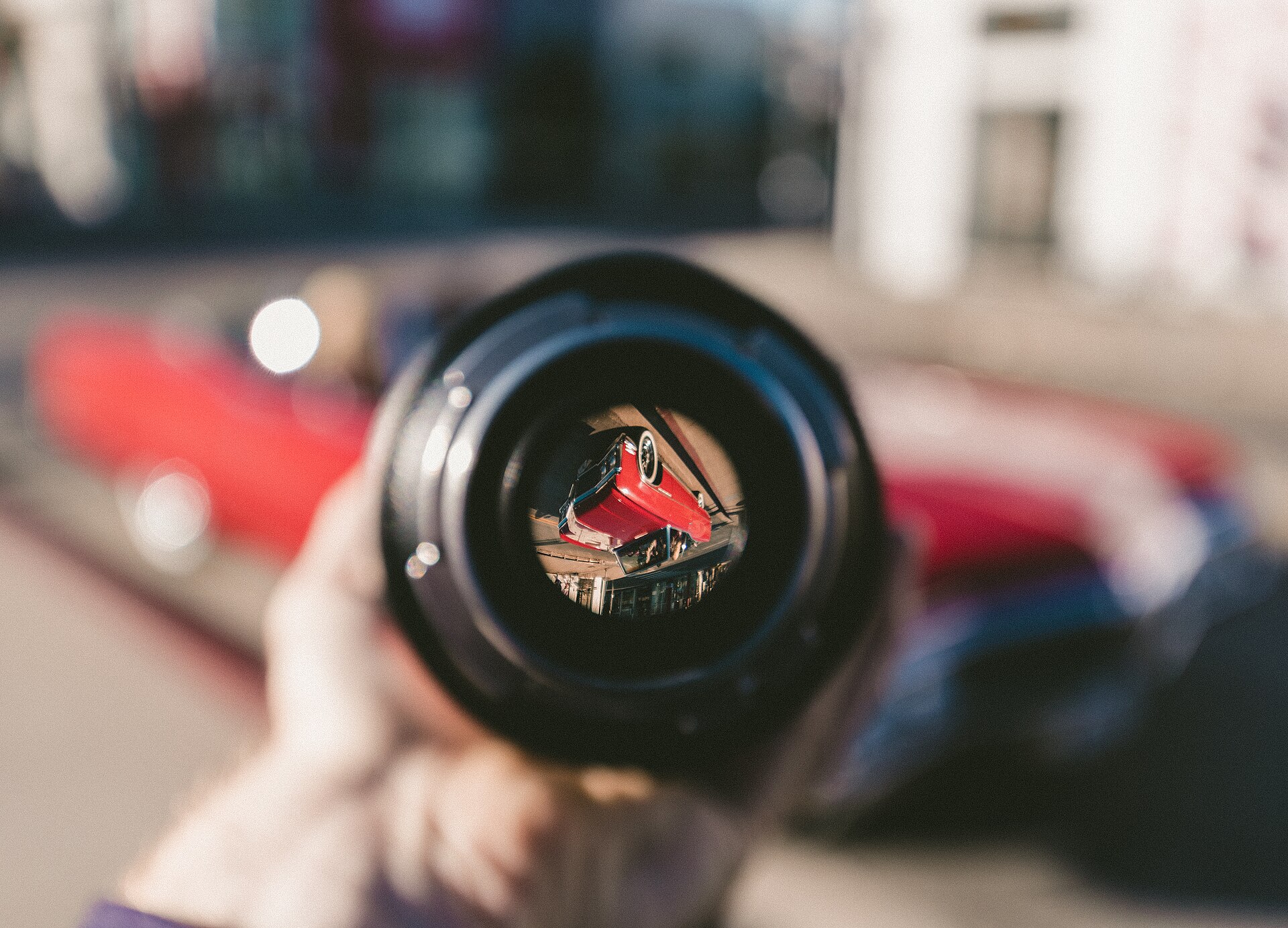
Why would anyone put old lenses on a new camera?
Constraints make photographers. A manual lens from the film era gives you no autofocus, no stabilization, and no excuses. Every frame forces you to choose the aperture and place the focal plane yourself. That is not nostalgia. It is training.
DPReview's community spotlight this week features Travis Butler, a Kansas photographer who shoots a Sigma fp and a Lumix S5 with adapted film-era lenses. His most-used is a Minolta MD 35-70mm f/3.5 Macro, and the collection runs from a Minolta MC Rokkor 58mm f/1.2 to a Konica Hexanon 40mm f/1.8 and a Pentax Super-Takumar 50mm f/1.4.
What does old glass give you that new glass does not?
His reason is not the price, though vintage lenses are cheap. It is rendering. Butler says modern lenses have prioritized technical perfection at the expense of color and tonal rendering: a dozen or more elements erasing every aberration, leaving images that are big, heavy, and somehow thin. The old lenses give him vivid color and rich tonal gradation — the kind that gives body to a bank of clouds.
The discipline matters more than the look. Butler credits a decade of adapting manual lenses with forcing him to pay closer attention to aperture and focal-plane placement. When the camera will not focus for you, you learn what the plane of focus actually does: where it starts, where it falls off, and what sits inside it.
Is the industry noticing the appetite for character?
One set of lenses serves both of Butler's bodies, because mirrorless mounts adapt nearly anything. The industry is reading the same signal: Sigma's brand-new CL lens line, announced this week, is explicitly designed for character over clinical sharpness. The pendulum is swinging back toward rendering with a point of view.
Why it matters for you
You do not need a cabinet of vintage glass to learn the lesson. Put one manual-focus lens on your camera — an adapted fifty, a cheap legacy zoom — and shoot it for a month. You will come back to autofocus with a sharper sense of what focus actually is, and that understanding is worth more than any lens you could buy.