A Spinning Fan Stood Still on Camera. That Is a Lesson in Shutter Speed
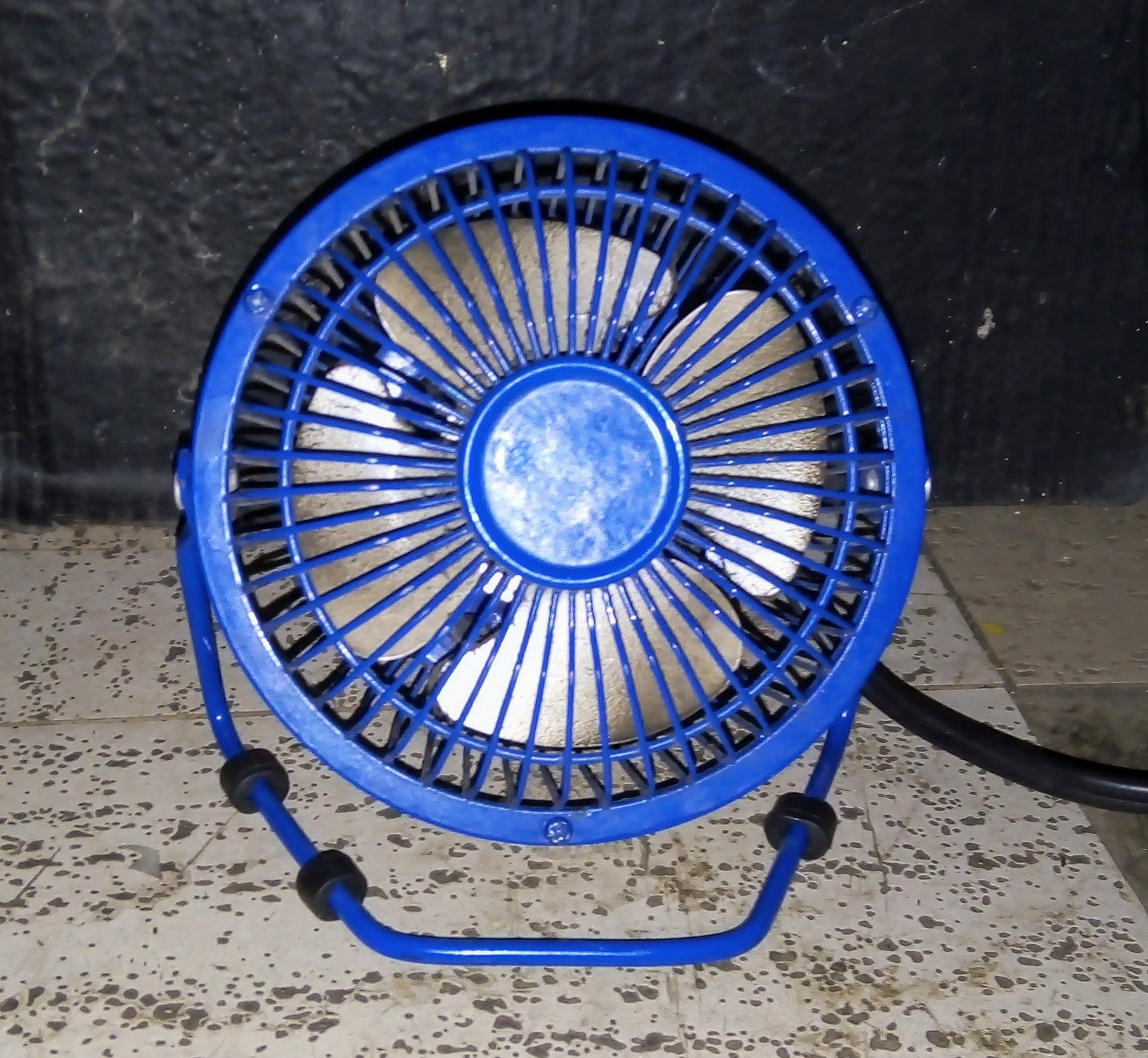
Why did the fan look frozen?
Pavel Mamontov, who posts as Lensevision, drew a different symbol on each of the three blades of a fan, then tuned its speed with a potentiometer until the blades appeared motionless on camera. The clip has passed one million views in a few days, and the explanation is the stroboscopic effect. A camera at 30 frames per second samples the world 30 times a second. A three-blade fan turning at ten revolutions per second moves each blade exactly one blade-position between frames, so every frame shows a blade in the same place as the last one. The fan is spinning. The video says it is standing still.
The symbols gave the trick away. At first Mamontov froze the blades but not the symbols, because between frames the fan rotated just enough for the next blade to take the previous one's place. Nudge the speed slightly off the match and the blades appear to turn backward, or rock back and forth, the same illusion that makes wagon wheels seem to reverse in old films.
What does shutter speed have to do with it?
Frame rate decides how often the camera samples motion. Shutter speed decides how sharp each sample is. A faster shutter reduces motion blur and makes the blades and symbols look crisper, which makes the frozen effect more convincing. A slower shutter would smear each blade across its travel and break the illusion, even at the perfectly matched speed. Two controls, two jobs, and confusing them is how photographers end up chasing the wrong setting.
The same pairing explains things you have already seen without noticing: helicopter rotors that look bent or still on phone video, LED lights that flicker on camera but not to your eye, and car wheels that crawl backward on television. All sampling artifacts, not defects in the subject.
Why it matters for you
Try it yourself, because it costs nothing and it sticks. Point your camera at a household fan, set a fast shutter speed, and watch what frame rate and shutter speed each do to the blades as you change them. Once you have seen a spinning thing stand still on your own screen, you will never again trust video motion at face value, and you will reach for the right control first: frame rate for how motion is sampled, shutter speed for how sharply each moment is held.