Two Companies Now Ship Twice as Many Cameras as the Entire Mirrorless Market
What exactly is IDC counting?
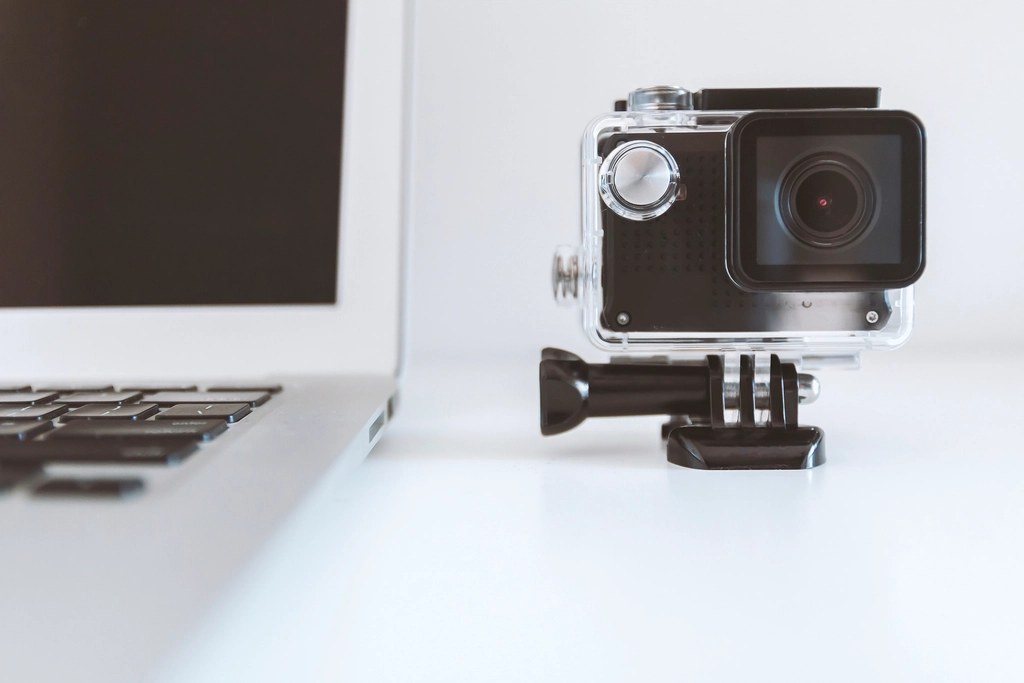
Market research firm IDC tracks what it calls handheld smart cameras: action cameras, 360 cameras, and gimbal cameras like the Osmo Pocket. Phones are not included, and neither is anything with interchangeable lenses. In the second quarter of 2026, that market grew by more than half compared to a year earlier, reaching almost 5.9 million cameras shipped.
Two companies own it almost entirely. DJI shipped about three out of every four handheld cameras in the quarter, and Insta360 shipped one in five — together more than nine in ten. Everyone else, GoPro included, splits the remainder. GoPro's own numbers line up with the picture: its camera sales to customers fell 38% and revenue 31% in the quarter.
What is happening to the mirrorless market?
Mirrorless is not collapsing — it is moving in the opposite direction. According to CIPA, the Japanese industry association, mirrorless makers shipped slightly fewer bodies than a year ago, but the total value of those shipments went up. Fewer cameras, more money per camera. The traditional makers are prioritizing margin over volume, selling to enthusiasts and professionals who pay for sensor size, lens ecosystems, and manual control.
The two datasets describe different purchases. A handheld gimbal camera costs a few hundred dollars; a mirrorless body costs thousands. One competes more with a phone than with an interchangeable-lens camera. But the direction is unmistakable: the volume growth in dedicated cameras is happening in pockets and palms, not on camera straps.
What do the numbers miss?
The comparison has honest limits. CIPA's numbers are reported by member companies; IDC's are analyst estimates, and DJI's figures cannot be checked against official numbers since the company is private. Both count cameras shipped into the market rather than bought by end users. And the biggest camera category of all — the smartphone — is missing from both datasets.
There is also no data on the professional video and cinema market. Blackmagic, ARRI, and RED do not publish unit numbers, and Canon's and Sony's cinema lines do not appear separately in CIPA's figures. The story holds for consumer cameras; for professional video, the data simply is not there.
Why it matters for you
If you are learning photography on a mirrorless camera, this is not a signal to switch — it is a signal about where the creative energy is moving. The pocket camera is becoming the default B-camera on professional sets, with 1-inch sensors and 10-bit log recording that CineD's own lab tests keep underestimating. Learn your mirrorless craft deeply, but do not dismiss the small camera in someone's pocket. The next decade of clients, audiences, and competition is being shaped by people who shoot with one hand.