1,500 Games In, the Cubs' Photographer Still Plans Every Frame Before It Happens
How does he get shots nobody else sees?
Late in the season at Wrigley Field, the sun sets earlier, and for a few games each year a narrow band of golden light shines through a gap in the stadium directly in line with the Cubs' dugout. It lasts about a minute. When a Saturday 6:15 start lined the light up with the dugout stairwell, Dirksen walked over during the take-the-field video, waited for Pete Crow-Armstrong to turn his head for a split second, and made the frame: Sony A1 II, 50-150mm f/2 zoom at 132mm, 1/4000th of a second, f/2.0, ISO 200.
He was ready because of years of practice with backlighting, a skill he says he mastered during six seasons with the Colorado Rockies, where brutal June light taught him to set up under the flare and let it bloom. He shoots to a personal rule, two eyes and two ears in the frame, the minimum for a viewer to connect with a face, and breaks it only when breaking it tells the story better.
What does he do before the play even starts?
When the Cubs can win in their final at-bat, Dirksen leaves his usual photo well and crosses to the first-base side, where he can reach the home-plate celebration the instant the winning run scores. Before each pitch he maps every outcome in his head: who scores, where the celebration lands, where the light is coming from, whether he needs to be ready for a Gatorade shower. On August 17 against the White Sox, he texted his social team to get the graphic ready before Crow-Armstrong's walk-off home run completed a second straight 30-30 season. He was right.
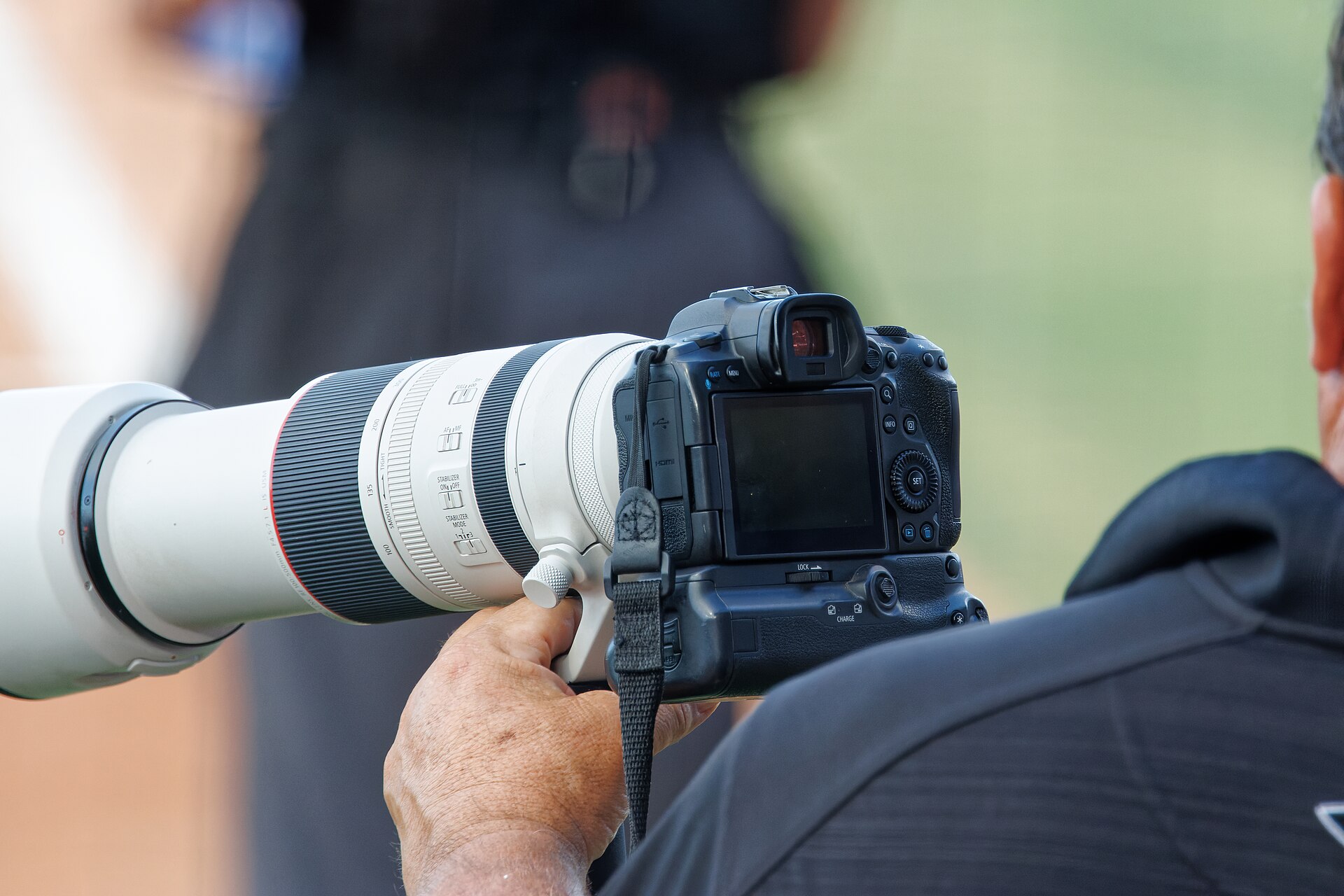
The delivery chain is just as deliberate. He carries two or three bodies, often a 20mm wide lens on one and the 50-150mm zoom on another, fires bursts at 20 to 30 frames per second, then crops and sends the best JPEGs straight from the camera over Wi-Fi to the team's server. Most times the photos are out before the first pitch of the next at-bat. (The feature is sponsored by memory-card maker ProGrade Digital, but the workflow is the story.)
Why it matters for you
You do not need a press credential to use this method. Before the action starts, decide where the moment will happen and be there early. Learn your venue's light the way Dirksen learned Wrigley's September sun, including the ten-minute windows that only exist for a few games a year. Finish the frame in the camera: crop tight, expose for the moment, deliver fast.
Most sports photography advice is about settings. This is about something more trainable: experiencing the play in your mind before it happens, so you are never surprised. Anticipation is a skill. Start practicing it on any sideline, and the frames will start finding you.