Blue Planet III Is Keeping the Murky Shots to Prove It Is Real
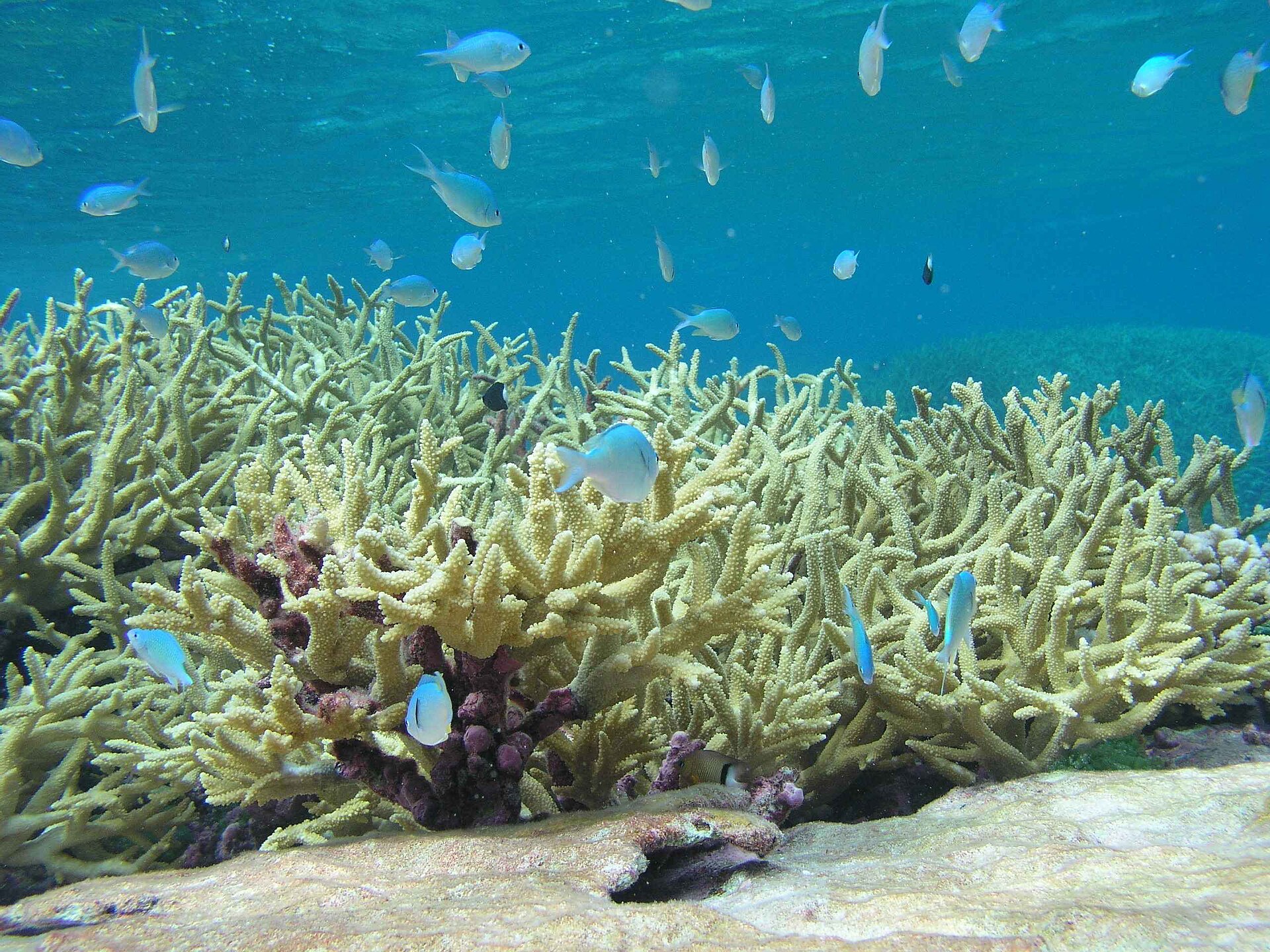
Why would a film crew keep the murky shots?
For years, the rule on a nature shoot was simple: if the water was full of plankton or the light was flat, the shot was cut. Blue Planet III reverses that rule. Executive producer Elizabeth White says the team used to frame out boats and buoys and drop anything that was not pristine. This time they are keeping those shots on purpose, because AI has changed what pristine means.
When a machine can generate a flawless reef in seconds, a flawless reef stops proving anything. A murky frame, a drifting speck of plankton, a horizon that is not quite clean: those are the things a generator smooths away. The BBC's head of specialist factual commissioning, Jack Bootle, put it plainly at a press screening: no generative AI was used in the series, not a single frame, it is all real photography.
What did the crew actually build to film this?
The series was filmed over four years across five oceans, and the crew built tools for behaviour that had rarely been filmed. A mini-dome camera follows octopuses. A selfie stick films in the deep sea. Lasers light creatures in darkness, leg-mounted scooters move operators quickly through the water, and splash drones and remote cameras record for extended periods.
The standout is the stonefish camera, described by the BBC as the world's first underwater CCTV camera. Developed by producer-director Yoland Bosiger, it captured dolphins using sea sponges to block holes in coral and trap the fish hiding inside. Other sequences show a grouper communicating with a fish of another species, around 200,000 crabs gathering in formation to feed, and sea urchins holding shells above themselves as shields from the sun.
Why it matters for you
Your audience is learning the same lesson the BBC just learned: perfect is suspicious now. The next time you are tempted to clean a frame until nothing imperfect remains, stop one step earlier. Leave the haze, the dust, the stray element that places the photograph in a real moment. In a feed full of generated perfection, the small flaw is the signature that says a person stood there and pressed the shutter.