A Good Camera Was Never Just About Image Quality
What is actually happening in the market?
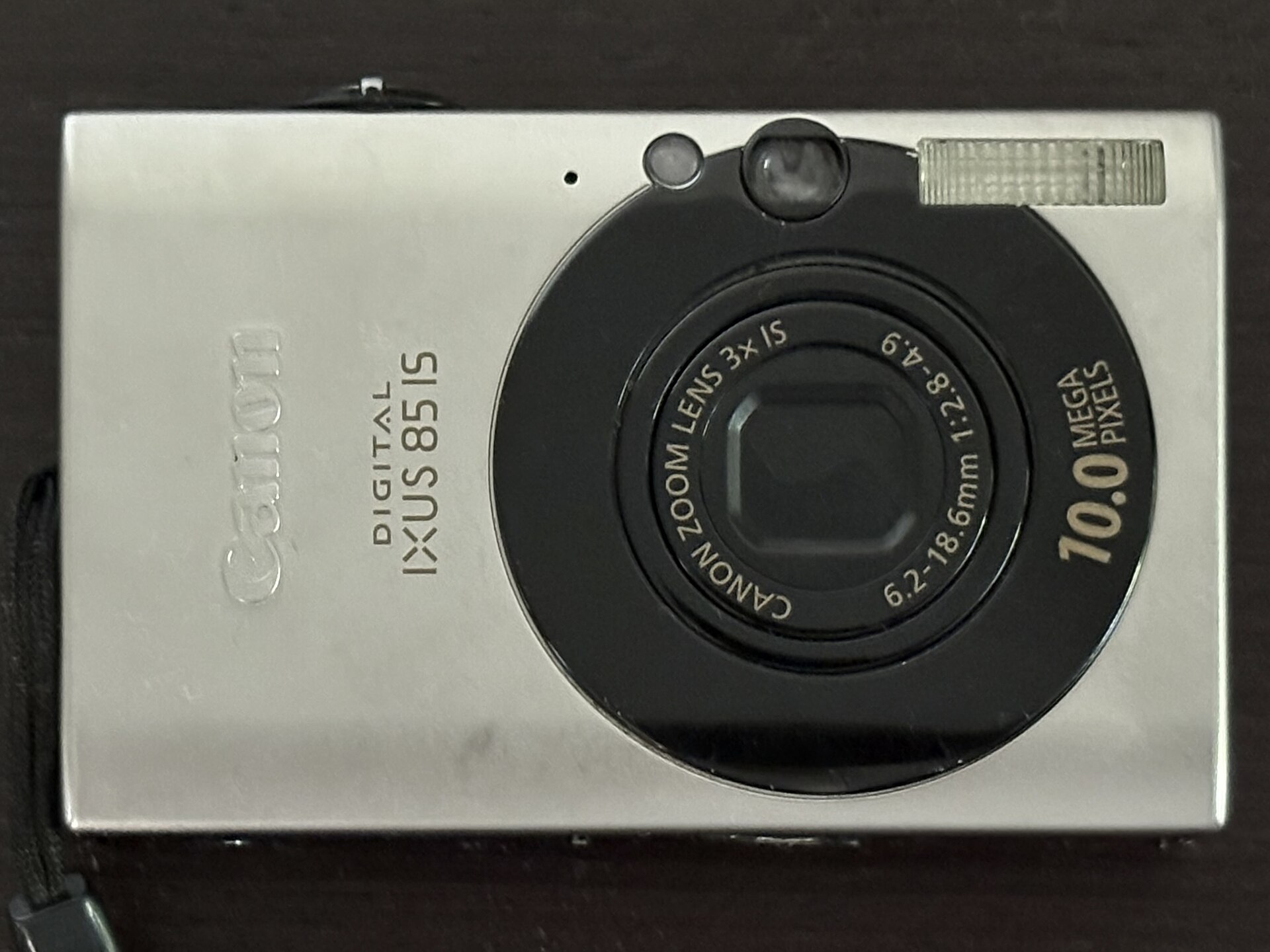
Two booms at once, at opposite ends of the market. Premium smartphones accounted for a record 29 percent of global smartphone sales by volume in the first half of 2026, according to Counterpoint Research, up from 25 percent in the same period of 2025 and just 20 percent in 2022. Apple and Samsung still hold a combined 84 percent of that premium segment, while Oppo recorded the fastest growth, up 69 percent. At the same time, Kodak became Japan's best-selling digital camera brand by unit sales in April 2024 with a 22.5 percent share, according to retail analyst BCN+R, and returned to the top in May and June 2026, about one percentage point ahead of Canon. The camera doing it is the Pixpro FZ55, a $140 compact far weaker than even a basic camera phone.
Why would anyone pay more for a worse camera?
Because image quality was never the whole definition of a good camera, and the market is now saying so out loud. For years manufacturers worked to eliminate noise, improve dynamic range, and produce sharper, cleaner photographs, and smartphones took that pursuit further than anyone, using computational photography and AI to produce the best possible image with minimal effort. The cheap compact's aesthetic is almost the opposite: hard flash, higher contrast, and the noisy, blocky look of early digital photography, now popular across Instagram and TikTok. It is easy to call it a backlash against smartphone perfection, or an appetite for authenticity. Neither is proven.
Why it matters for you
The camera you reach for is the one whose trade-offs match your intent. A phone removes the guesswork: it decides the exposure, cleans the noise, and hands you a finished image. A cheap compact puts some of that unpredictability back in, and its flaws are the look. One honest note: the BCN+R numbers cover participating Japanese retailers only, and unit sales are not revenue; Sony's A7 V is selling strongly, and the mirrorless market is fine. What the numbers prove is that people will pay for both ends of the trade. The skill that matters is knowing which trade you are making before you press the shutter, not owning the camera that makes the trade for you.